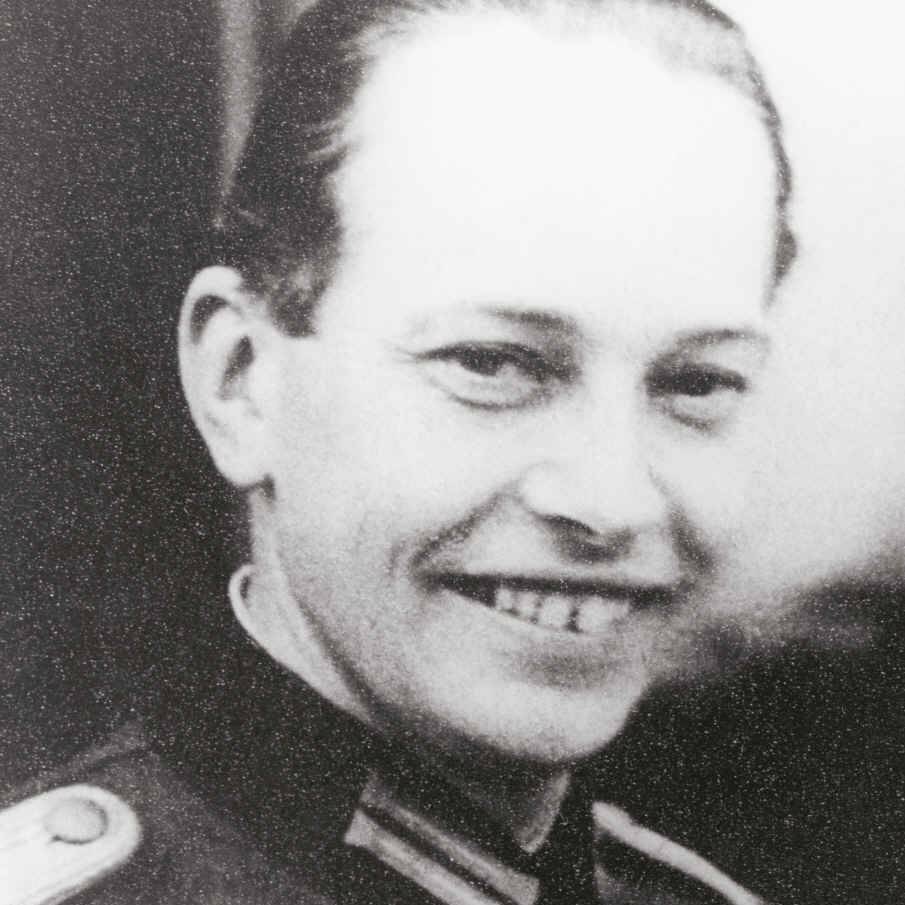
The Members of the Kreisau Circle
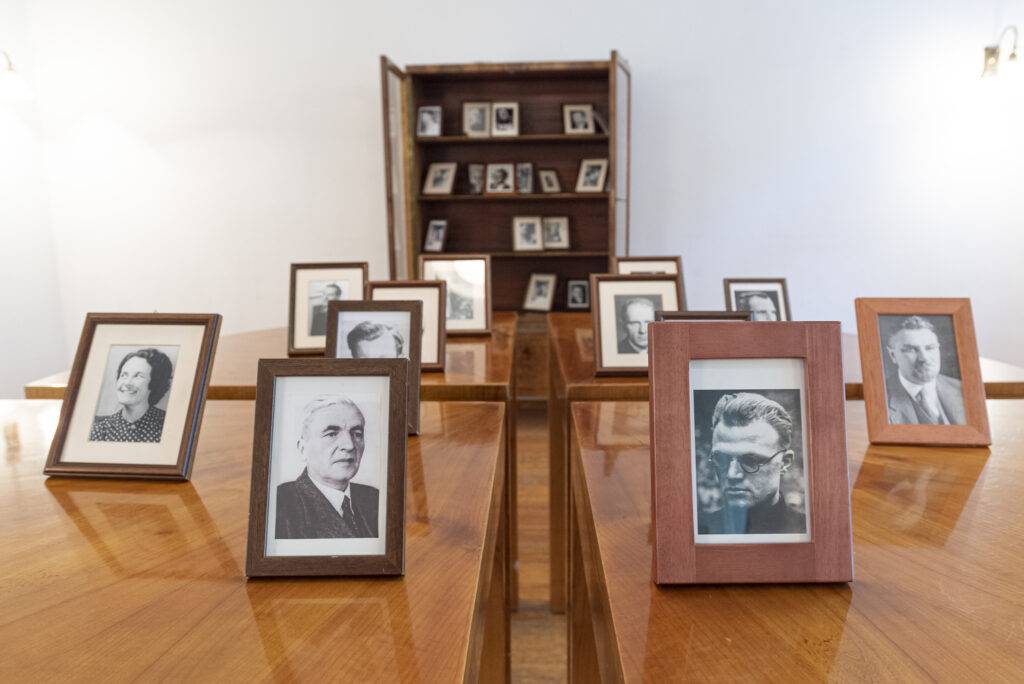
The core of the Kreisau Circle consisted of a group of 23 individuals. Here, you can learn more about each member of the Kreisau Circle, their lives, and their contributions to the resistance group’s work.
The Catholic theologian, Jesuit, and publicist Alfred Delp (15 September 1907–2 February 1945) became involved with the Kreisau Circle in 1942 at the instigation of Augustin Rösch. He participated in the group’s second and third major meetings in Kreisau, focusing primarily on social issues and organising discussions with leading church representatives. His influence helped incorporate key principles of Catholic social teaching into the Kreisau Circle’s foundational statements. Notably, his position papers on the “Workers’ Question” and the “Peasantry” highlight significant elements of his thinking. Alfred Delp also facilitated connections between members of the Kreisau Circle and resistance groups in Munich. His home served as a venue for the Circle’s secret meetings. On 28 July 1944, following the failed assassination attempt on 20 July, Delp was arrested in Munich, despite having not been involved in the planning of the coup. However, his active participation in the Kreisau Circle and his Christian-social worldview were deemed sufficient by the People´s Court to sentence him to death. On 2 February 1945, Alfred Delp was hanged at Plötzensee Prison in Berlin.
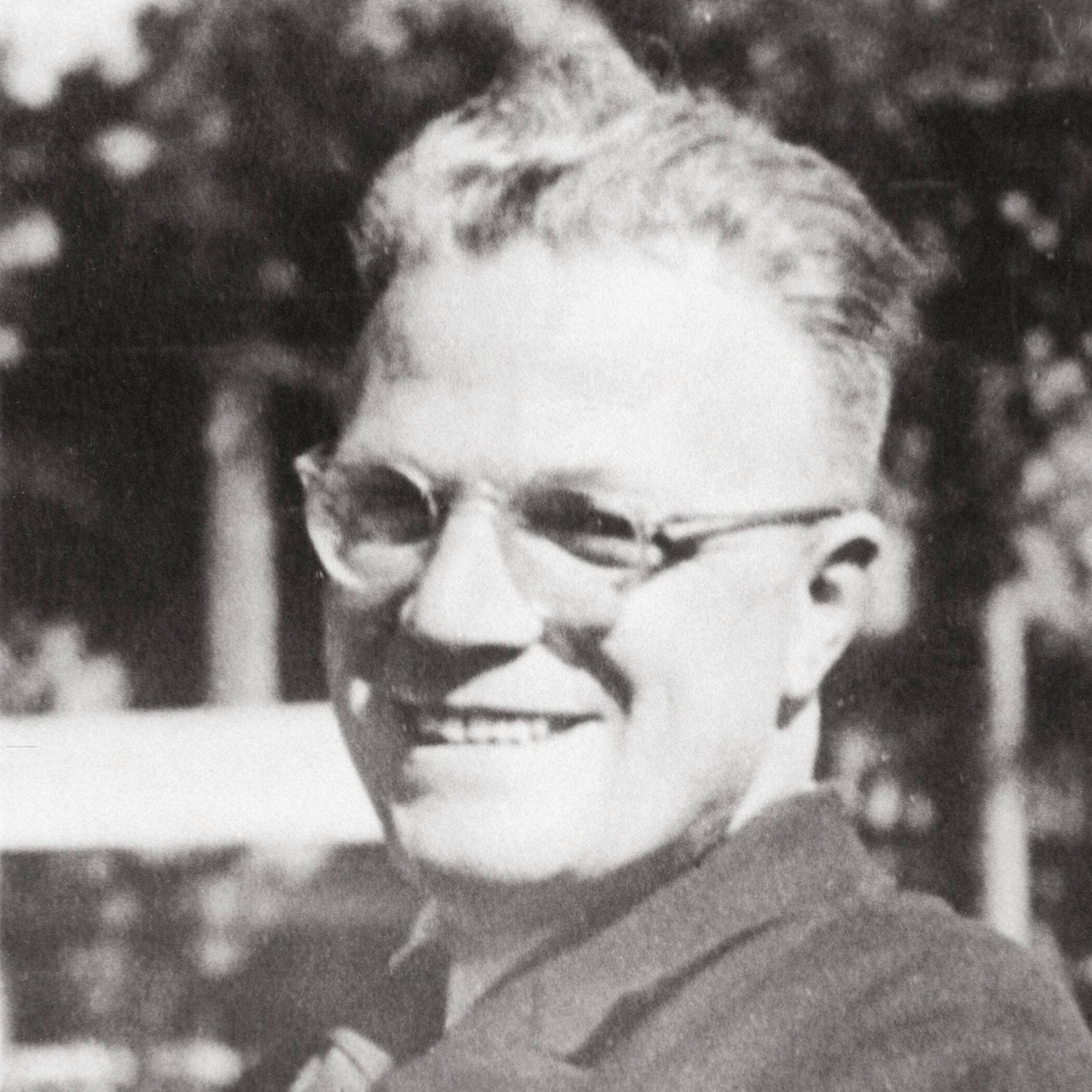
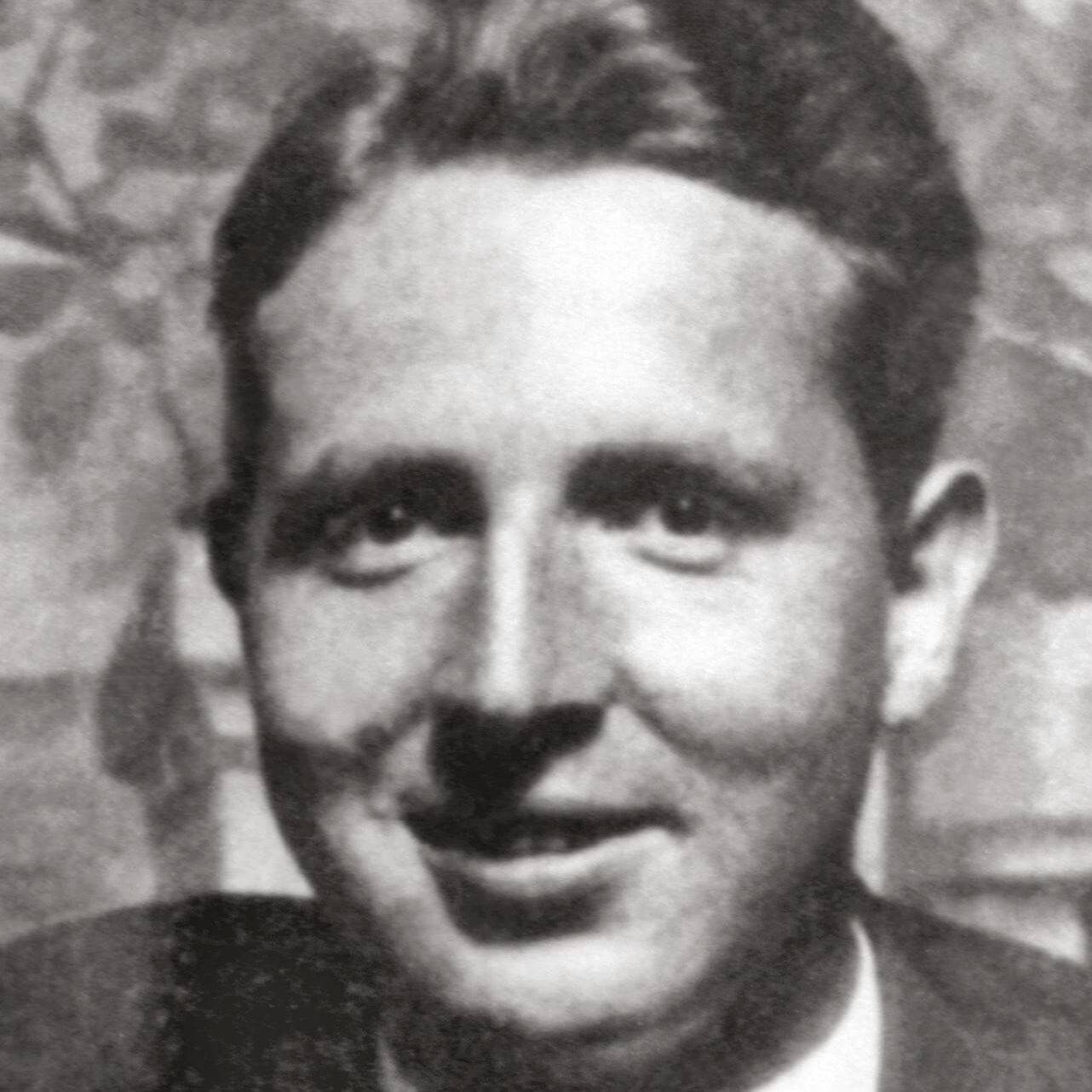
Since 1939, the jurist and economist Horst Karl von Einsiedel (7 June 1905–25 February 1947) was part of the inner circle around Helmuth James von Moltke. Einsiedel participated in the second and third meetings of the Kreisau Circle, contributing significantly to discussions on economic policy alongside Carl Dietrich von Trotha. He also established connections with representatives from various economic sectors, trade unions, and Christian-ecumenical groups abroad. Through fortunate circumstances, Horst Karl von Einsiedel survived the aftermath of the failed 20 July 1944 assassination attempt, remaining undetected until the war’s end in Berlin. In August 1945, he assumed a position within the economic administration of the Berlin Magistrate. However, in October 1945, he was arrested by the Soviet secret police on accusations of being an American spy. He died on 25 February 1947 under unclear circumstances in the Soviet internment camp Sachsenhausen.
Otto Otto Heinrich von der Gablentz (11 September 1898–27 April 1972), an economist and doctor of political science, joined the core group of the Kreisau Circle in 1940 through the mediation of Horst Karl von Einsiedel. He engaged in discussions on state theory and contributed to debates on economic and constitutional matters. Leveraging his ecumenical contacts, he also established links with the World Council of Churches in Geneva. After the 20 July 1944 coup attempt, von der Gablentz’s involvement escaped Gestapo detection. He survived the war and later co-founded the CDU in Berlin alongside figures such as Theodor Steltzer, Paulus van Husen, and Hans Lukaschek. From 1959 to 1966, he held a professorship in political science at the Free University of Berlin. Disillusioned with the CDU’s lack of reform, he resigned from the party in 1965. Otto Heinrich von der Gablentz passed away in Berlin on 27 April 1972.
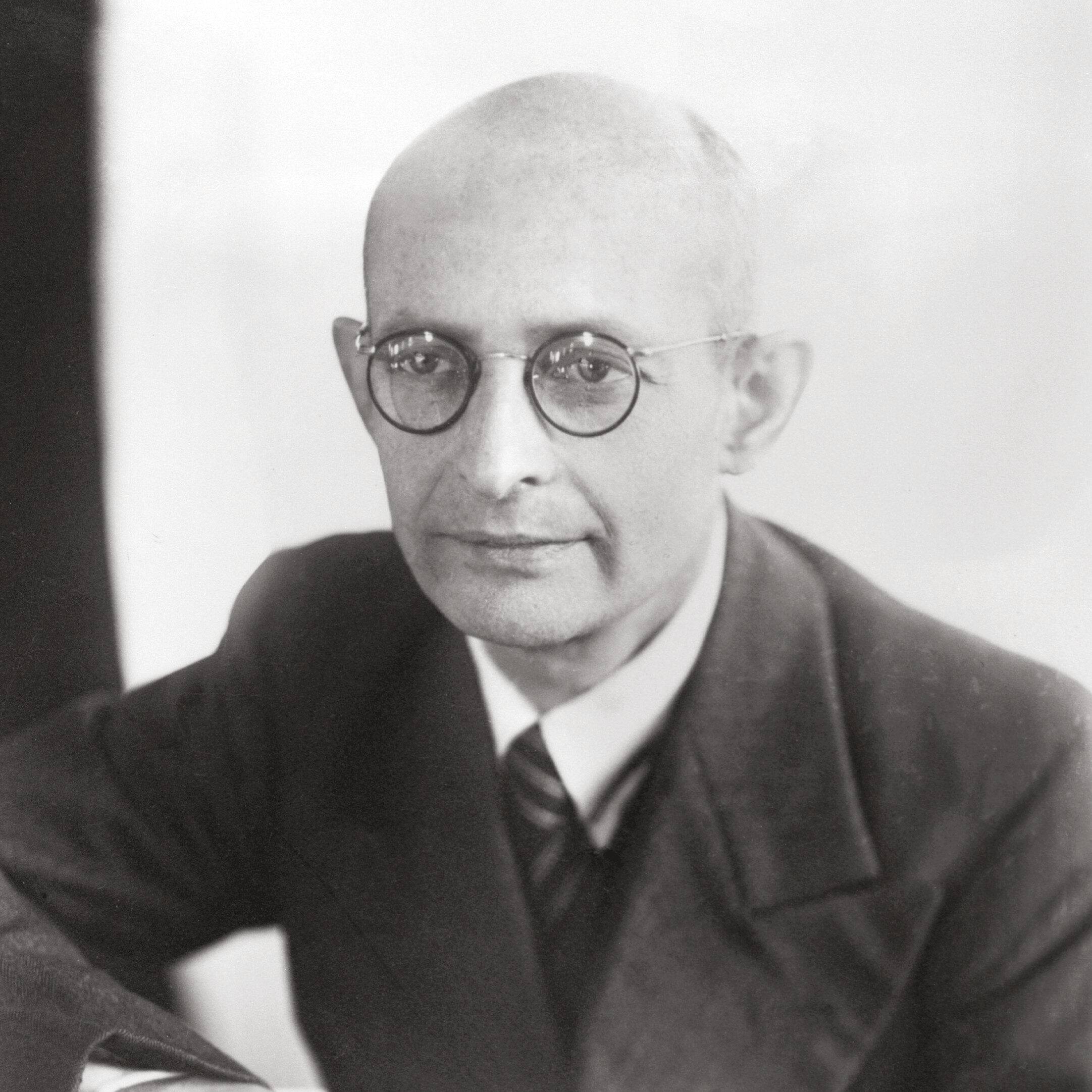
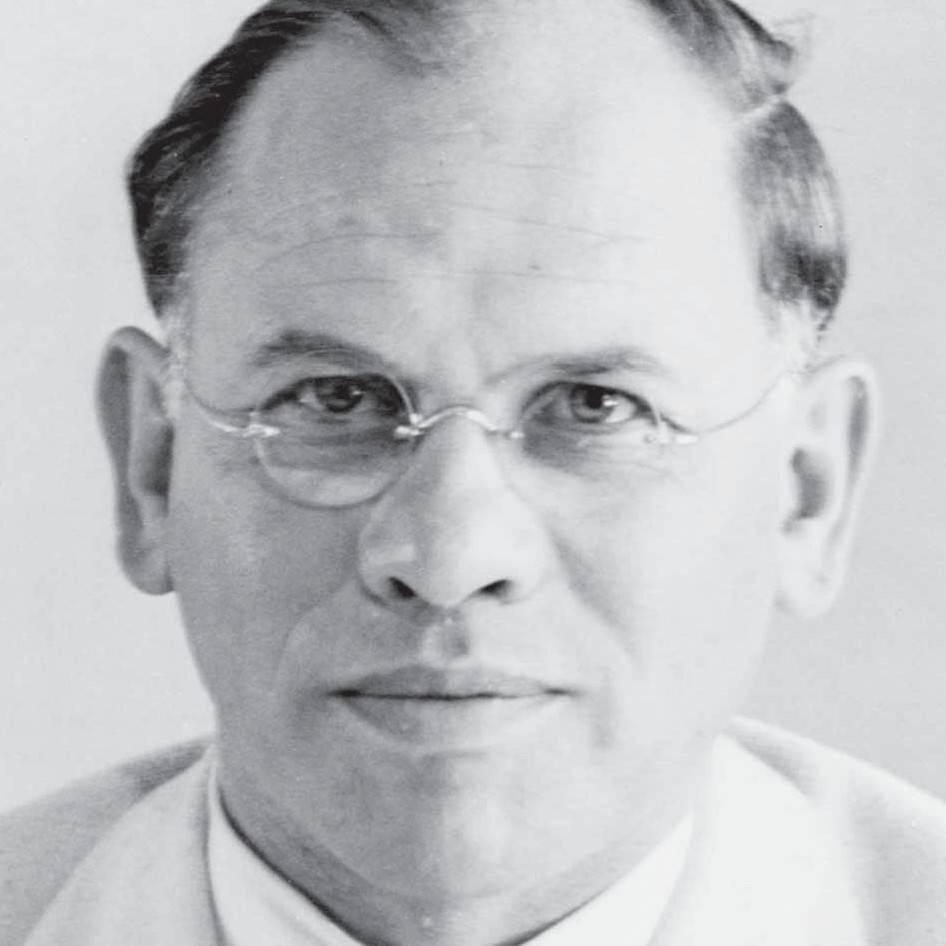
Eugen Gerstenmaier (25 August 1906–13 March 1986) was, alongside Harald Poelchau, one of the two Protestant theologians in the Kreisau Circle. He participated in the Circle’s second and third major meetings, focusing on constitutional and foreign policy planning. In his role within the Church’s foreign affairs office, he established crucial international connections for the Kreisau Circle. After the failed assassination attempt on 20 July 1944, Gerstenmaier was arrested and severely tortured by the Gestapo. He was subsequently sentenced to seven years in a penal institution. On 14 April 1945, he was liberated from the Bayreuth penal institution. In the aftermath of the war, he co-founded the Relief Organisation of the Protestant Churches in Germany in Stuttgart with Harald Poelchau and became its director. In 1949, Gerstenmaier was elected to the Bundestag as a CDU representative and became the President of the Bundestag in 1954. Public criticism related to restitution payments led to his resignation in 1969. He passed away on 13 March 1986.
The lawyer Hans Bernd von Haeften (18 December 1905–15 August 1944) joined the Kreisau Circle in May 1941 through Adam von Trott zu Solz. As a diplomat in the Foreign Office, von Haeften specialised in foreign policy issues within the resistance group. He contributed to plans for reforming the Foreign Office and broader foreign policy, as well as constitutional and social restructuring. Despite his reservations about tyrannicide, he participated in preparations for the 1944 coup alongside his brother Werner, who served as Stauffenberg’s adjutant. Hans Bernd von Haeften was arrested on 23 July 1944. His brother had already been shot on 20 July at the Bendlerblock. On 15 August 1944, von Haeften was sentenced to death by the People’s Court and executed the same day at Plötzensee Prison in Berlin.
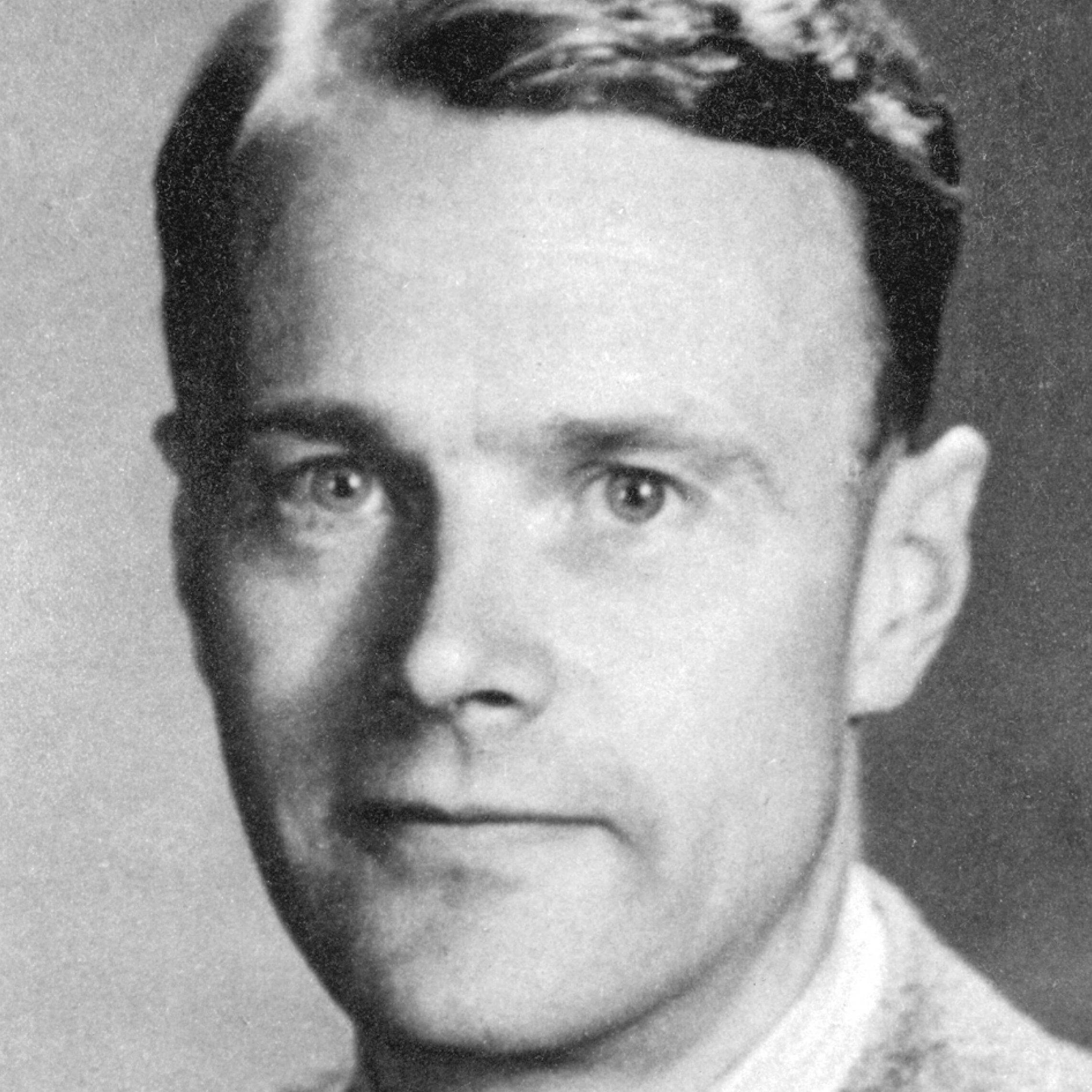
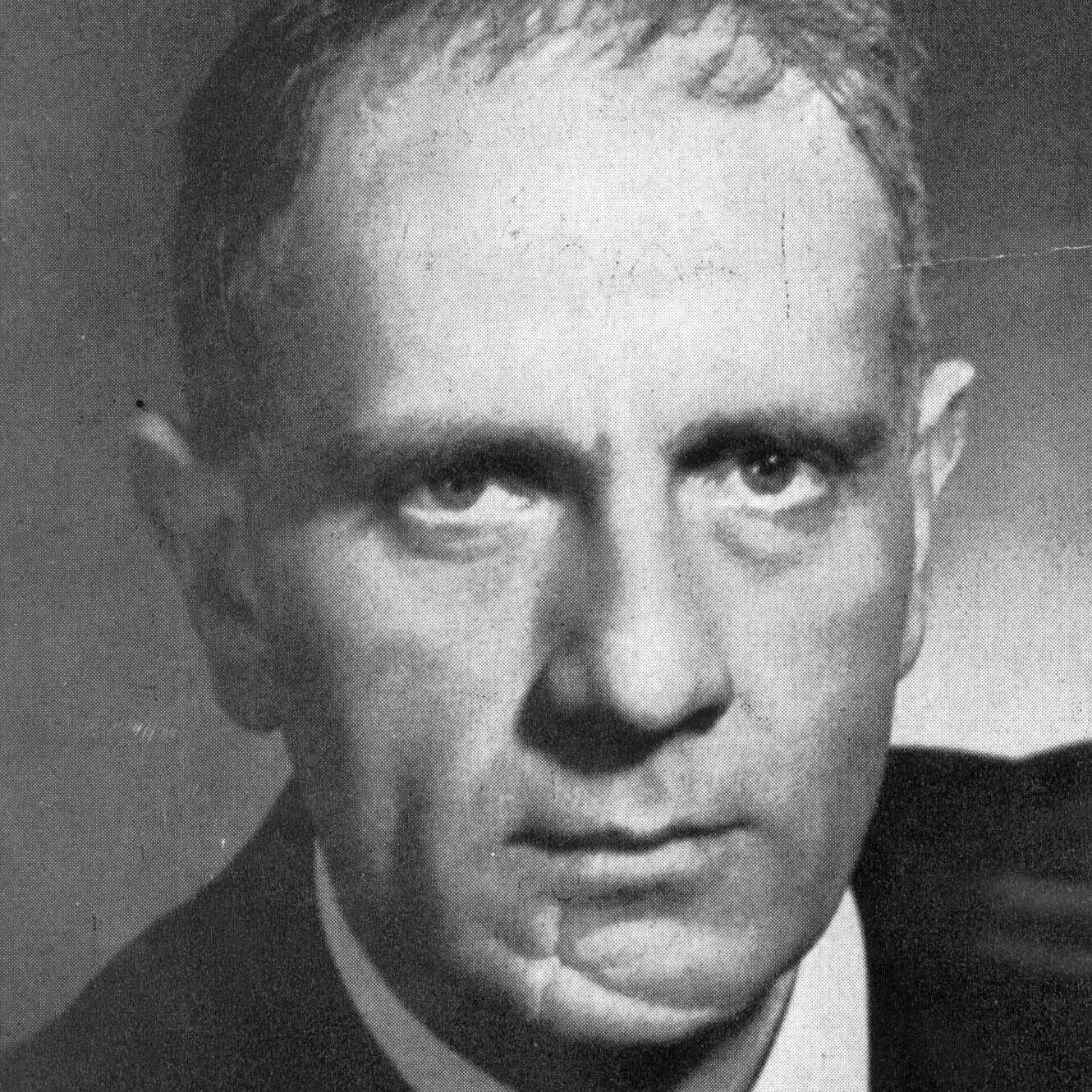
Theodor Haubach (15 September 1896–23 January 1945) joined the Kreisau Circle in 1942 through the encouragement of his long-time friend Carlo Mierendorff. Haubach, a doctor of philosophy, journalist, and editor for social democratic publications, was a member of the SPD. His political activities brought him under the Nazi regime’s scrutiny, leading to his arrest in November 1934 and two years’ imprisonment in the Esterwegen concentration camp. After his release, Haubach remained undeterred and actively participated in the Kreisau Circle, attending its second major meeting in the autumn of 1942. In plans for a post-dictatorship government, he was slated to serve as government spokesman. Following the failure of the 20 July 1944 assassination attempt, Haubach was arrested, sentenced to death on 15 January 1945, and executed on 23 January 1945 at Plötzensee Prison in Berlin.
Paulus van Husen (26 February 1891–1 September 1971), a jurist and committed Catholic, focused on rebuilding the rule of law and addressing cultural and educational issues. He notably drafted a procedural framework for prosecuting Nazi war criminals in post-war Germany, advocating for international trials involving a democratic Germany. Van Husen supported preparations for the 20 July 1944 coup, hosting secret meetings in his home attended by figures such as Peter Graf Yorck von Wartenburg, Hans Lukaschek, and Julius Leber, as well as Claus Schenk Graf von Stauffenberg. On 16 August 1944, van Husen was arrested and sentenced to prison. After the war, he was a co-founder of the CDU in Berlin and went on to serve as the first President of the Higher Administrative Court and the Constitutional Court of North Rhine-Westphalia.
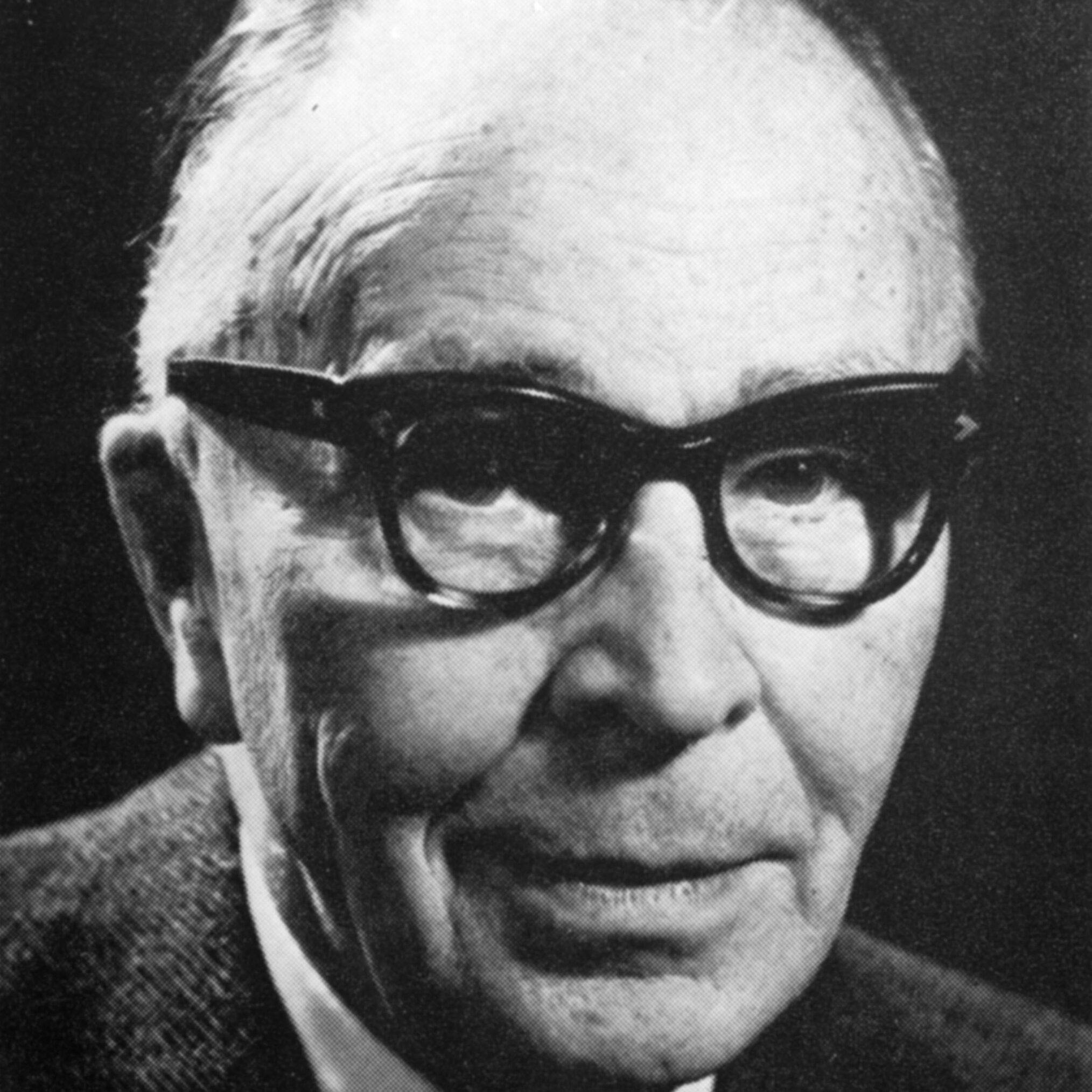
“Our discussions were exhilarating because of their subject matter and the adventurous atmosphere they fostered. They were genuinely humanistic, aiming to resolve difficult, often contentious questions from different perspectives in a way that was constructive rather than pragmatic. In my long life, I have never encountered such an intellectual, lively, and joyous spirit of collaboration again. .“
–Paulus van Husen, recalling the debates of the Kreisau Circle
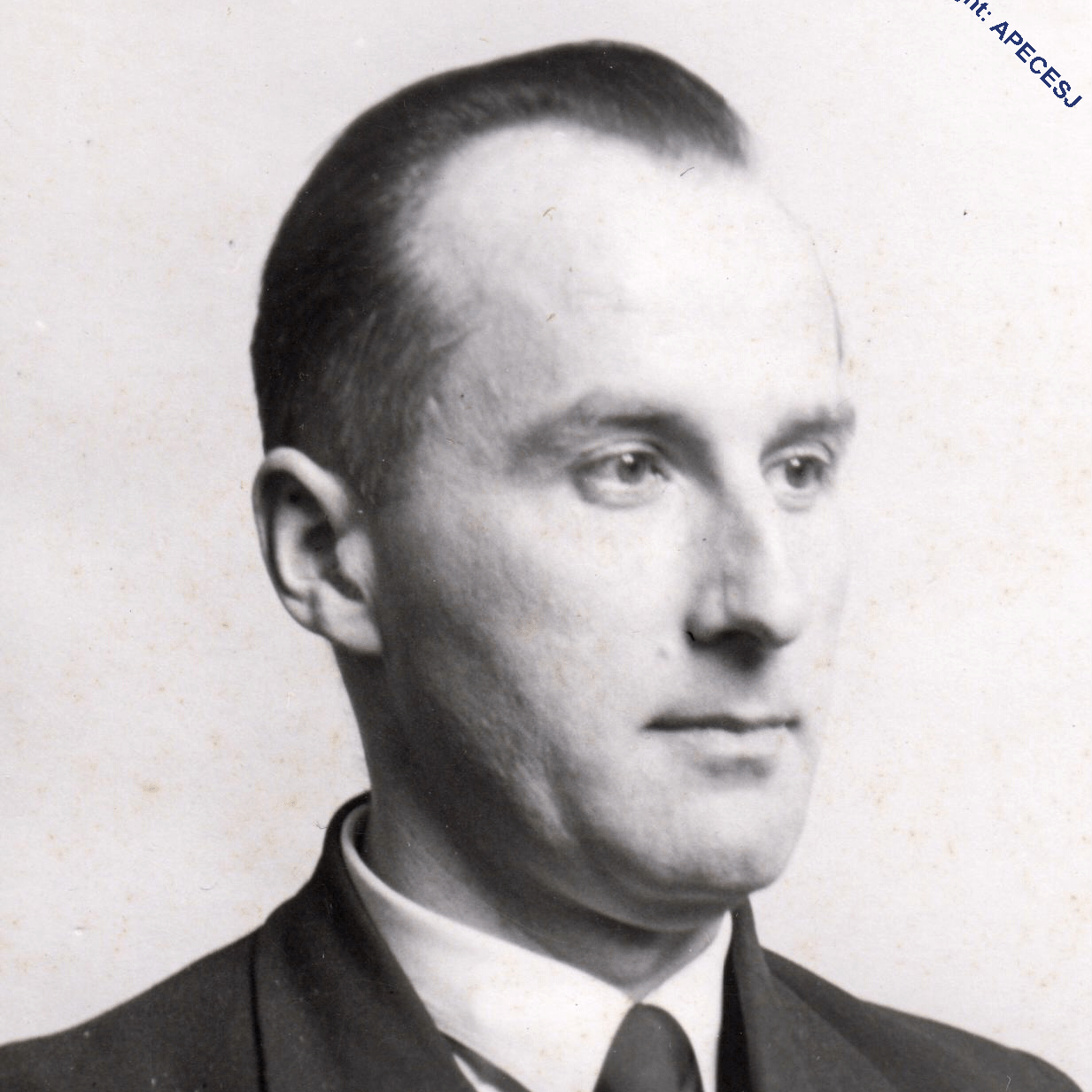
Lothar König (3 January 1906–5 May 1946), a theologian and Jesuit, dedicated himself to resisting Nazi interference in the Church and its institutions before joining the Kreisau Circle. Encouraged by Augustin Rösch, König became an active participant in 1942. He served as a messenger, transmitting sensitive information and documents between the Jesuit order’s leadership and Catholic bishops, acting as a crucial intermediary between the Church and anti-Nazi resistance groups. In one significant instance, König wrote to the Pope’s private secretary in 1942, informing him about the extermination camp at Belzec. Despite being actively pursued by the Nazis following the failed 20 July 1944 coup attempt, König managed to evade capture until the war’s end. Tragically, on 5 May 1946, he succumbed to a serious illness that had worsened due to the strain and deprivation he experienced during his time in hiding. König’s legacy includes the “Kreisau Circle Dossier,” a posthumously published collection of the group’s discussions and plans for the reconstruction of Germany and Europe after the fall of the Nazi regime, edited by Roman Bleistein.
Julius Leber (16 November 1891–5 January 1945), a journalist and social democrat, spent four years in Nazi prisons and concentration camps, including Esterwegen and Sachsenhausen, following the Nazis’ rise to power in 1933. In 1943, Carlo Mierendorff introduced him to the Kreisau Circle, where he worked to establish links with other Social Democrats (SPD). Leber also actively engaged in planning the 20 July 1944 coup, driven by his connections with Adam von Trott zu Solz and Claus Schenk Graf von Stauffenberg. During the summer of 1944, Leber and Adolf Reichwein attempted to collaborate with a communist resistance group but were betrayed. Leber was arrested on 5 July 1944. Sentenced to death alongside Reichwein on 20 October 1944, Leber was executed by hanging on 5 January 1945 at Plötzensee Prison in Berlin.
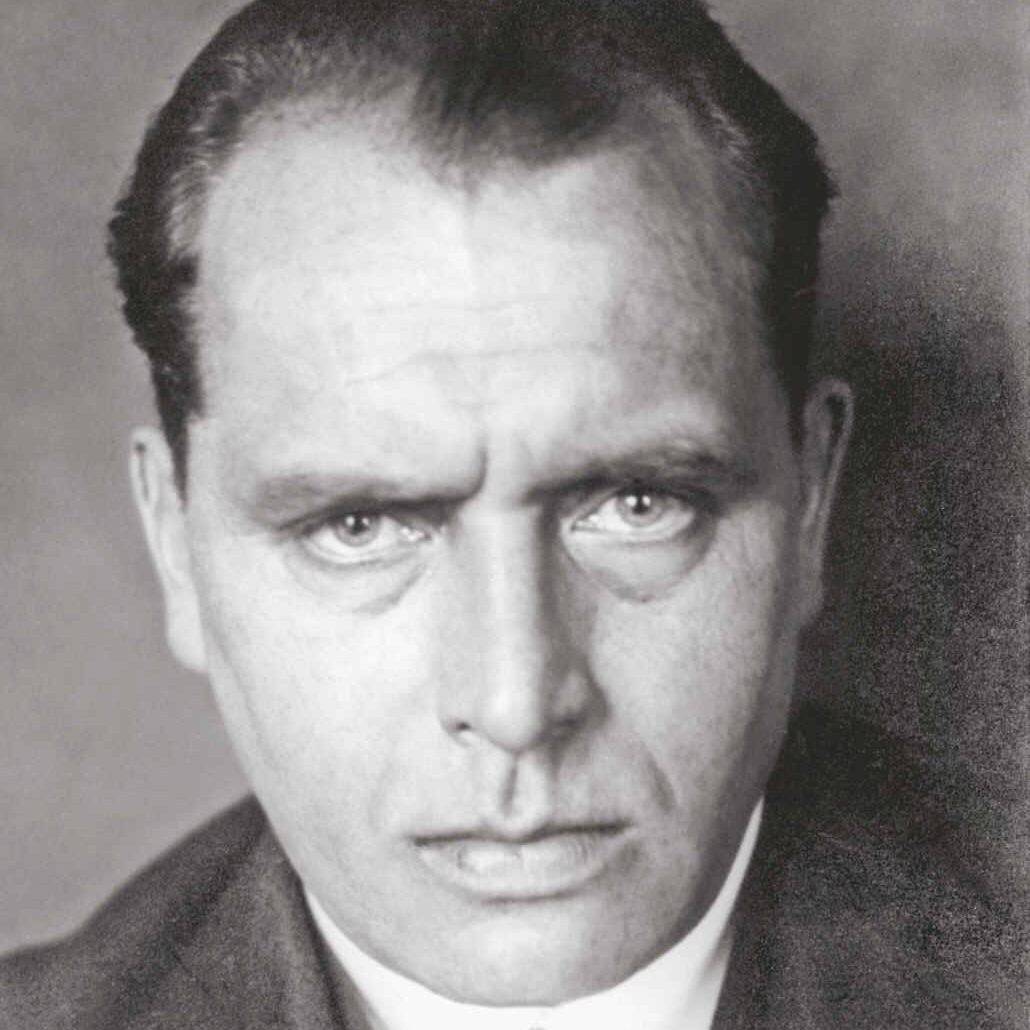
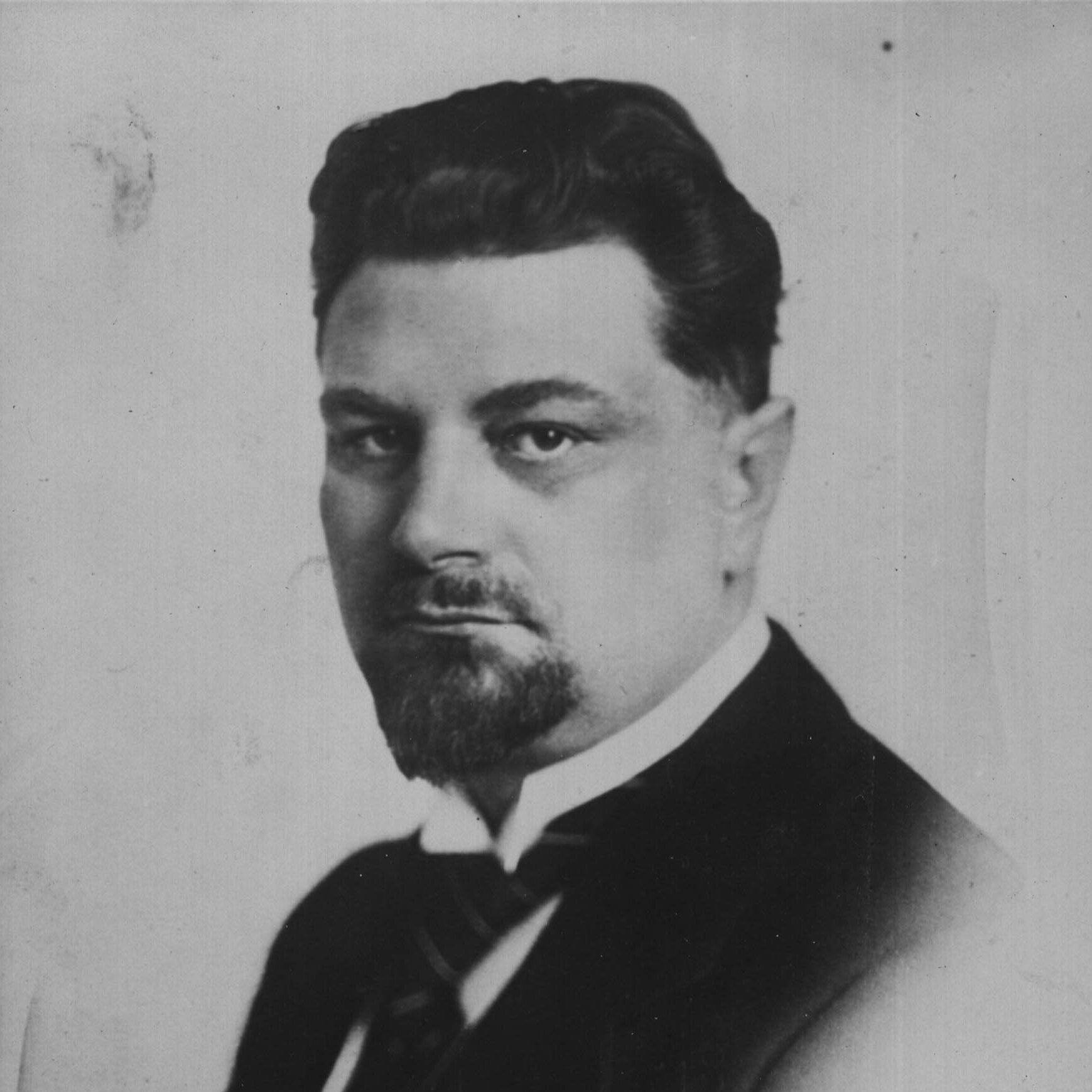
Hans Lukaschek (22 May 1885–26 January 1960), a jurist and member of the German Centre Party, represented the Catholic Church within the Kreisau Circle. His collaboration with Helmuth James von Moltke, which began in the 1920s, developed into active participation in the group. Lukaschek contributed to discussions on education and cultural policy, as well as plans for Germany’s territorial and constitutional reorganisation. He attended the first major Kreisau meeting at Pentecost in 1942 and maintained connections with senior Catholic figures. Following the failed 20 July 1944 coup attempt, Lukaschek was arrested and brutally tortured. However, due to insufficient evidence, he was released on 19 April 1945. After the war, Lukaschek became a co-founder of the CDU in Berlin. From 1949 to 1953, he served as Federal Minister for Expellees in Chancellor Adenauer’s first cabinet. After stepping down as minister, he took on the role of Vice President of Caritas, a position he held until his death in 1960.
Dr. Carlo Mierendorff (24 March 1897–4 December 1943) was a political scientist, publicist, and member of the Social Democratic Party (SPD). Through Adolf Reichwein, he was introduced to Helmuth James von Moltke. Renowned for his fiery speeches and writings, Mierendorff was an outspoken critic of the Nazi regime. Following their rise to power, he was arrested and spent five years in various concentration camps before being released in 1938. Undeterred, he joined the Kreisau Circle under the pseudonym “Dr. Friedrich.” Mierendorff played a decisive role in shaping the Circle’s plans for social and political renewal. His “Appeal for Socialist Action,” written on 14 June 1943, highlighted his commitment to uniting socialist forces against dictatorship. Mierendorff’s promising contributions to the resistance were tragically cut short when he was killed in a bombing raid on Leipzig on 4 December 1943.
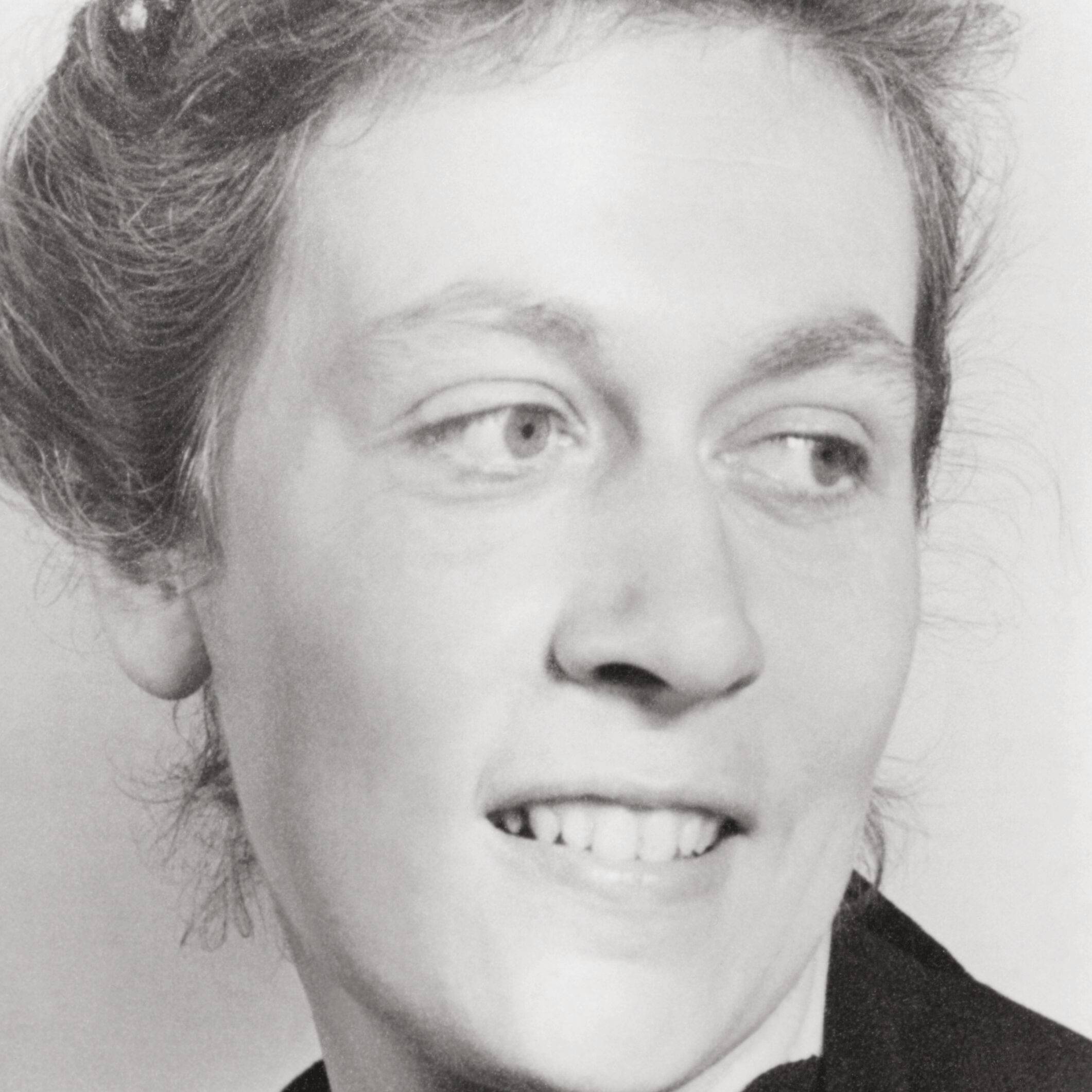
Dr. Freya von Moltke (29 March 1911–1 January 2010), a jurist and the closest confidante of her husband Helmuth James von Moltke, played a vital role in supporting and accompanying his efforts as part of the Kreisau Circle’s resistance against the Nazi regime. From 1935, she managed the family estate in Kreisau, transforming it into a hub for the Circle’s meetings and a refuge for friends who had been displaced or persecuted during the Nazi era.
Freya von Moltke attended numerous meetings of the Kreisau Circle and remained constantly informed about the details of the resistance efforts through her husband’s letters from Berlin. After Helmuth James von Moltke was arrested in January 1944, she stayed in contact with him primarily through letters. In late September of that year, he was transferred to Berlin-Tegel Prison. Thanks to the efforts of Harald Poelchau, who was then a prison chaplain in Berlin-Tegel and Berlin-Plötzensee, Freya was able to continue corresponding with her husband. She hid these significant letters from the Nazis in beehives on the Kreisau estate. The documents of the Kreisau Circle, however, were concealed in the attic of the castle. After her husband’s death and the end of the war, Freya von Moltke preserved the letters and documents, making them accessible to researchers. She devoted her life to keeping the memory of the resistance in Germany and the Kreisau Circle alive. In 1960, she moved to Norwich, Vermont, in the United States to join Eugen Rosenstock-Huessy, a legal historian, theologian, and sociologist.
In 1927, Rosenstock-Huessy, along with Helmuth James von Moltke, Carl Dietrich von Trotha, and Horst von Einsiedel, had founded the Löwenberg Working Group. Perhaps the most significant project of this group was the establishment of voluntary labour camps (now known as work camps), aimed at fostering dialogue among people of different social, political, and religious backgrounds. These camps facilitated the early networking of individuals who would later become members of the Kreisau Circle, making the Löwenberg Working Group a foundational element for the Kreisau Circle.
Freya von Moltke passed away in Vermont on 1 January 2010.
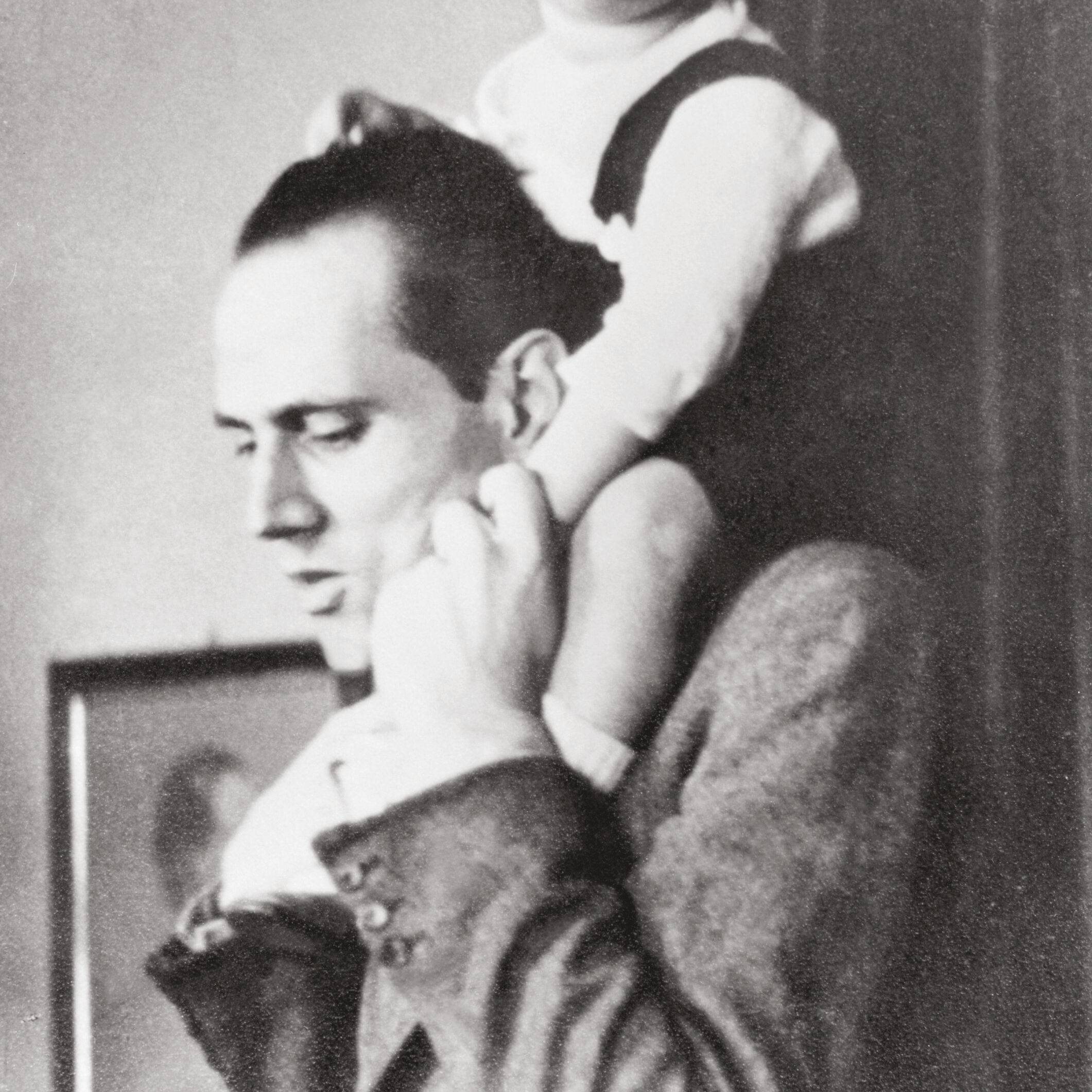
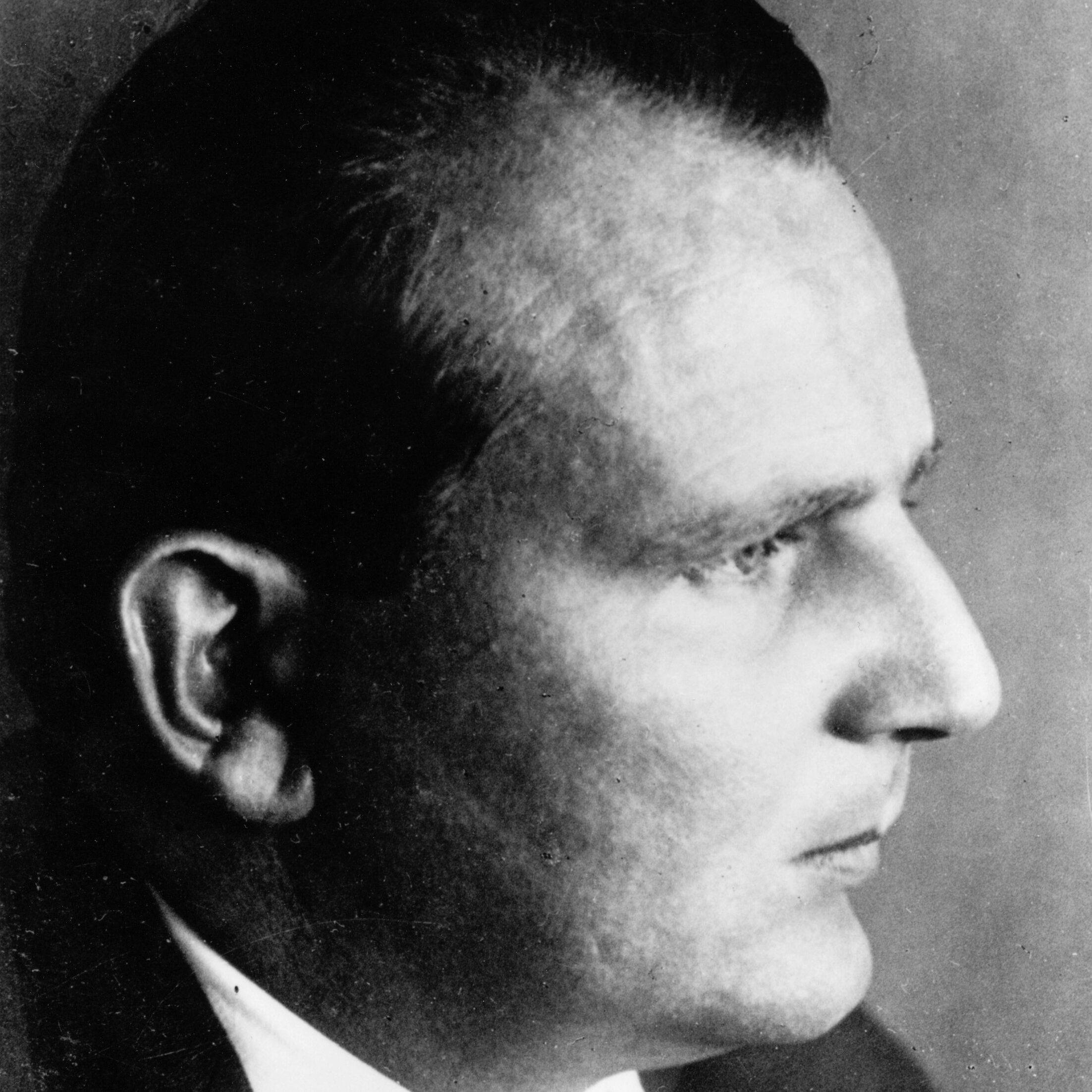
The jurist and lawyer Helmuth James von Moltke (11 March 1907–23 January 1945) was a co-founder of the Kreisau Circle and, alongside Peter Graf Yorck von Wartenburg, one of its leading figures. In 1939, he was appointed as an expert in international law to the German Armed Forces High Command. That same year, Moltke began drafting memoranda outlining plans for Germany’s political reorganisation. In 1940, Moltke met Peter Graf Yorck von Wartenburg, initiating a close collaboration that laid the foundation for the Kreisau Circle. He participated in most of the group’s meetings held in Berlin, Munich, Kreisau, and the Yorck family estates. Moltke established connections with representatives of both the Catholic and Protestant churches and sought to involve leaders of the Social Democratic opposition in the Kreisau Circle’s resistance work. During numerous trips abroad, Moltke successfully held discussions with representatives of resistance groups from the occupied countries. On 19 January 1944, he was arrested after warning a friend about his imminent arrest. His involvement in active resistance work only came to light after the failed assassination attempt on Hitler on 20 July 1944. On 11 January 1945, the People’s Court sentenced him to death. Helmuth James von Moltke was executed at Berlin-Plötzensee Prison on 23 January 1945.
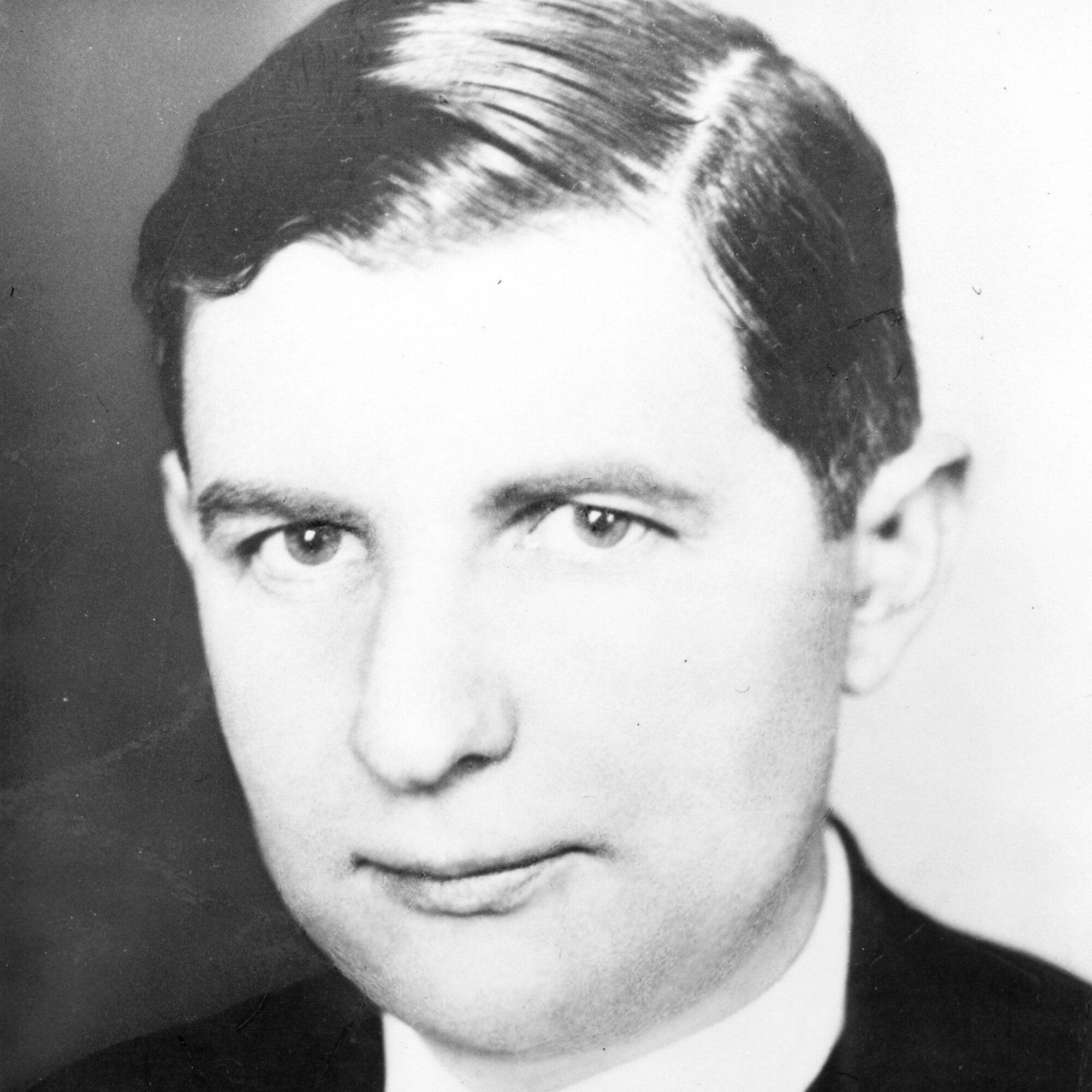
Hans Peters (5 September 1896–16 January 1966), a doctor of law, political scientist, and member of the German Centre Party, was responsible for developing the cultural programme and contributing to constitutional drafts within the Kreisau Circle. He participated in two of the three main meetings held in Kreisau. In addition to his work with the Kreisau Circle, Peters was also a member of the “Uncle Emil” group, led by Ruth Friedrich and Leo Borchard, which provided support to Jews under threat. His apartment in Charlottenburg served as a meeting place for dissidents from various backgrounds. His resistance activities surrounding the 20 July 1944 plot went undetected. After the war in 1945, Peters co-founded the CDU in Hamburg and later became a city councillor in Berlin. He served as Dean of the Faculty of Law at Humboldt University and, from 1949 until his death in 1966, held the same position at the University of Cologne, where he also later became Rector. Additionally, he was an active member of Cologne’s city council.
Harald Poelchau (5 October 1903–29 April 1972), a Protestant theologian, pastor, and prison chaplain, became a core member of the Kreisau Circle in 1941. In 1933, he was appointed as chaplain at Berlin-Tegel Prison, where he provided spiritual support to victims of Nazi persecution, including political prisoners and later his friends from the Kreisau Circle. In his role as prison chaplain, Poelchau helped inmates maintain contact with their families by delivering letters and other messages. Beyond his official duties, he supported regime opponents and Jewish individuals by helping them find hiding places or facilitating their escape. In addition to his work with the Kreisau Circle, Poelchau was also part of the Berlin-based resistance group “Uncle Emil.” After the failed 20 July 1944 coup attempt, Poelchau managed to evade Gestapo suspicion and survived the war. In 1945, he co-founded the Relief Organisation of the Evangelical Church in Stuttgart with Eugen Gerstenmaier. From 1949 to 1951, he returned to his role as chaplain at Berlin-Tegel Prison and subsequently became the first social and industrial chaplain of the Evangelical Church in Berlin-Brandenburg. In 1957, alongside Franz von Hammerstein, Poelchau established vocational training initiatives for the Evangelical Church, leading to the creation of the “House of Kreisau” in Berlin-Kladow, a conference centre dedicated to these efforts. Shortly before his death in 1972, Harald Poelchau and his wife Dorothee were honoured by the State of Israel with the Yad Vashem medal as “Righteous Among the Nations” for risking their lives to save Jews from Nazi persecution.
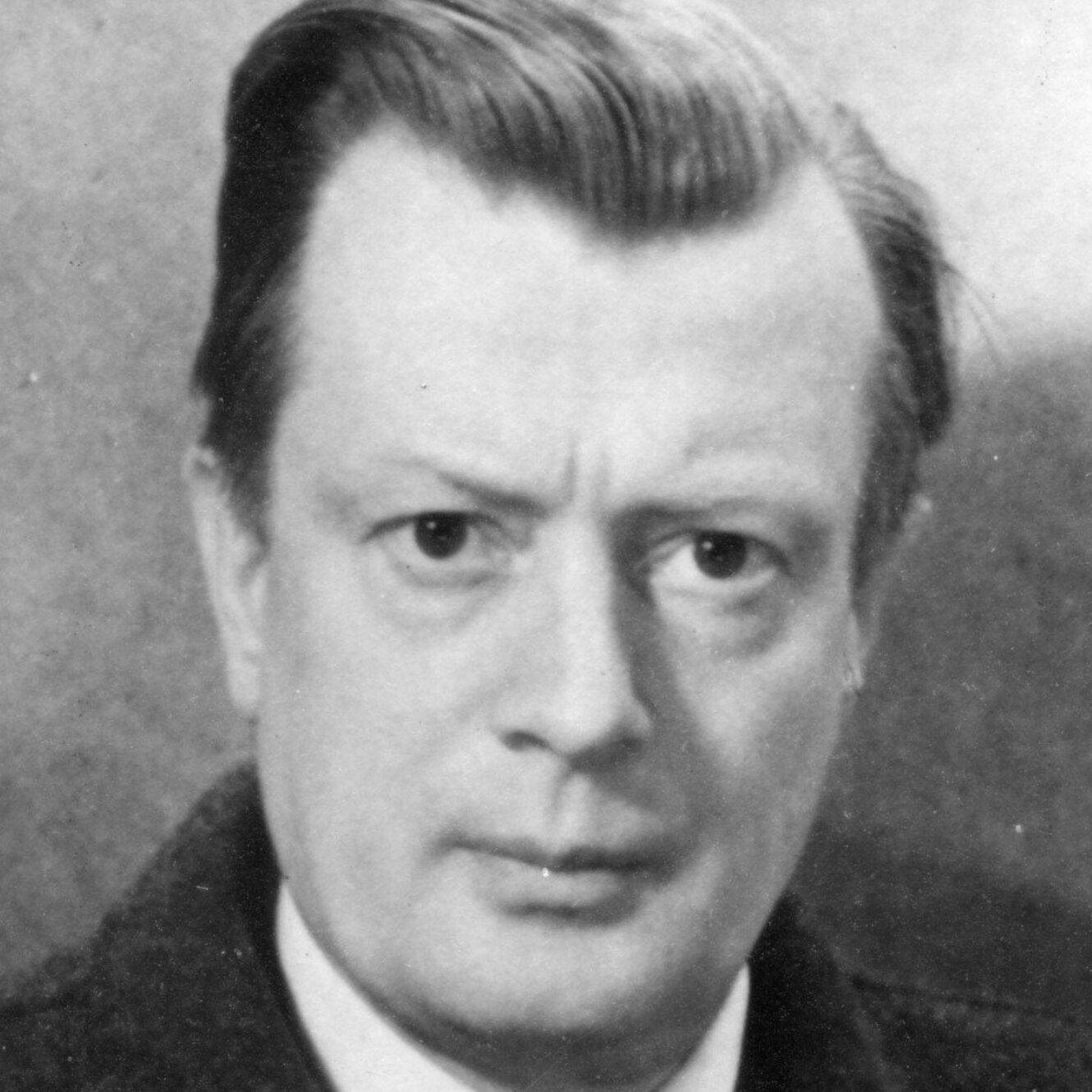
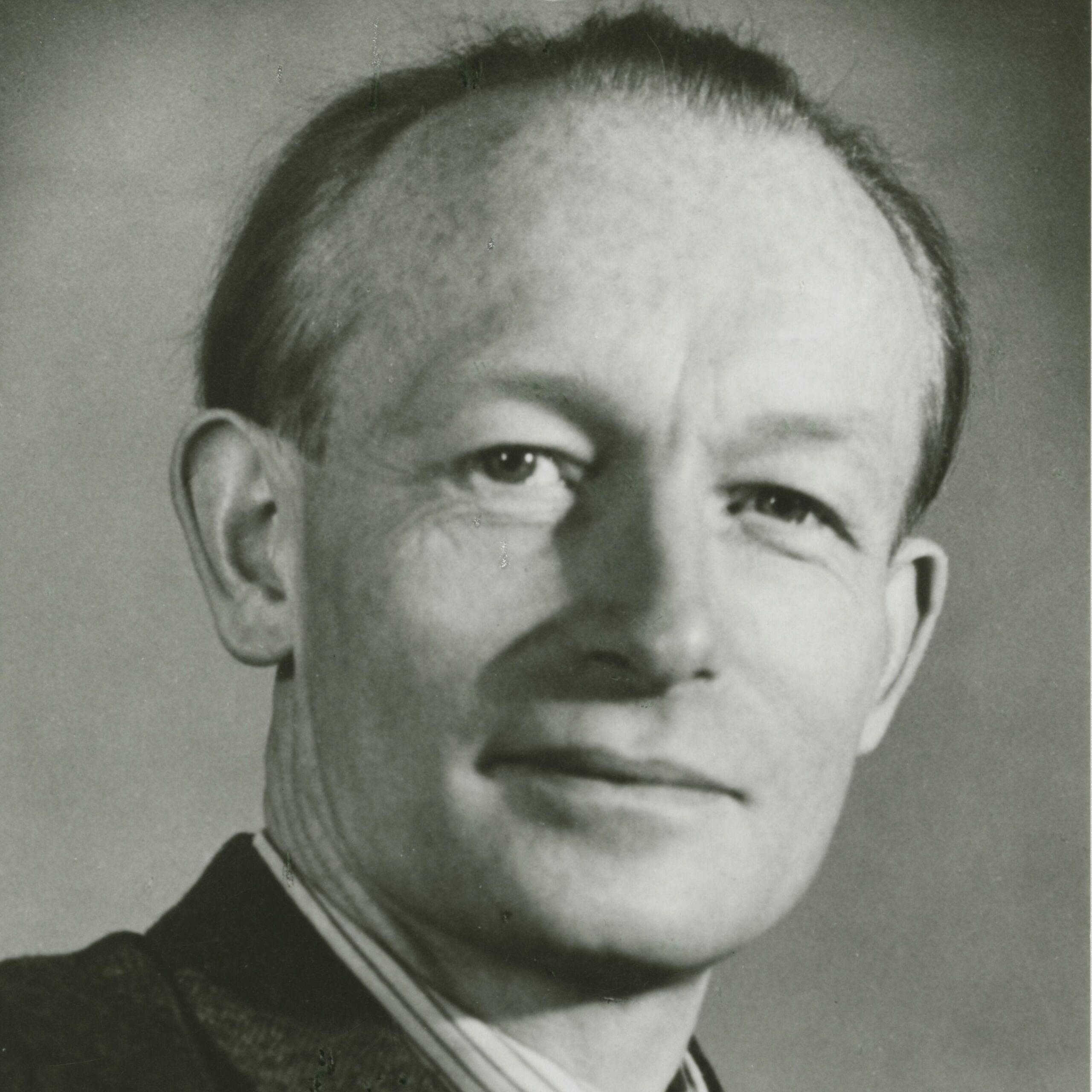
Adolf Reichwein (3 October 1898–20 October 1944), a doctor of pedagogy and influential cultural politician, first met Helmuth James von Moltke in 1928 through the Löwenberg Working Group. This organisation had been founded in 1927 by Eugen Rosenstock-Huessy, Helmuth James von Moltke, Carl Dietrich von Trotha, and Horst von Einsiedel. One of the group’s most significant projects was the creation of voluntary labour camps (now known as work camps), designed to foster dialogue among people from diverse social, political, and religious backgrounds. Despite being demoted due to his membership in the SPD, Reichwein resumed his political engagement while officially serving in the “School and Museum” department of the State Museum of Ethnology from 1939. Already in contact with Helmuth James von Moltke and his circle, Reichwein introduced Social Democrats Theodor Haubach and Carlo Mierendorff to the Kreisau Circle. He attended the Circle’s first and third major meetings and acted as an expert on education and cultural issues. Reichwein played a pivotal role in shaping the Kreisau Circle’s educational policy programme and was designated to serve as Minister of Education in a post-coup government. Due to his connections with the military resistance, Reichwein was arrested on 4 July 1944 and subjected to brutal torture by the Gestapo. On 20 October 1944, the People’s Court sentenced him to death, and he was executed on the same day.
The Jesuit Augustin Rösch (11 May 1893–7 November 1961) became a member of the Kreisau Circle in 1941. He participated in the Circle’s first major meeting and made significant contributions to its church and cultural programme. At his instigation, Lothar König and Alfred Delp joined the Kreisau Circle. Rösch also established connections with Catholic bishops and resistance groups in Bavaria and Austria. After the failed 20 July 1944 coup attempt, Rösch initially evaded arrest but was captured in January 1945. He was severely mistreated and subsequently imprisoned in Dachau concentration camp and Berlin’s Moabit Prison. Following the war, he returned to Munich, where he served as the State Director of Bavarian Caritas and became a member of the Bavarian Senate. Augustin Rösch passed away on 7 November 1961.
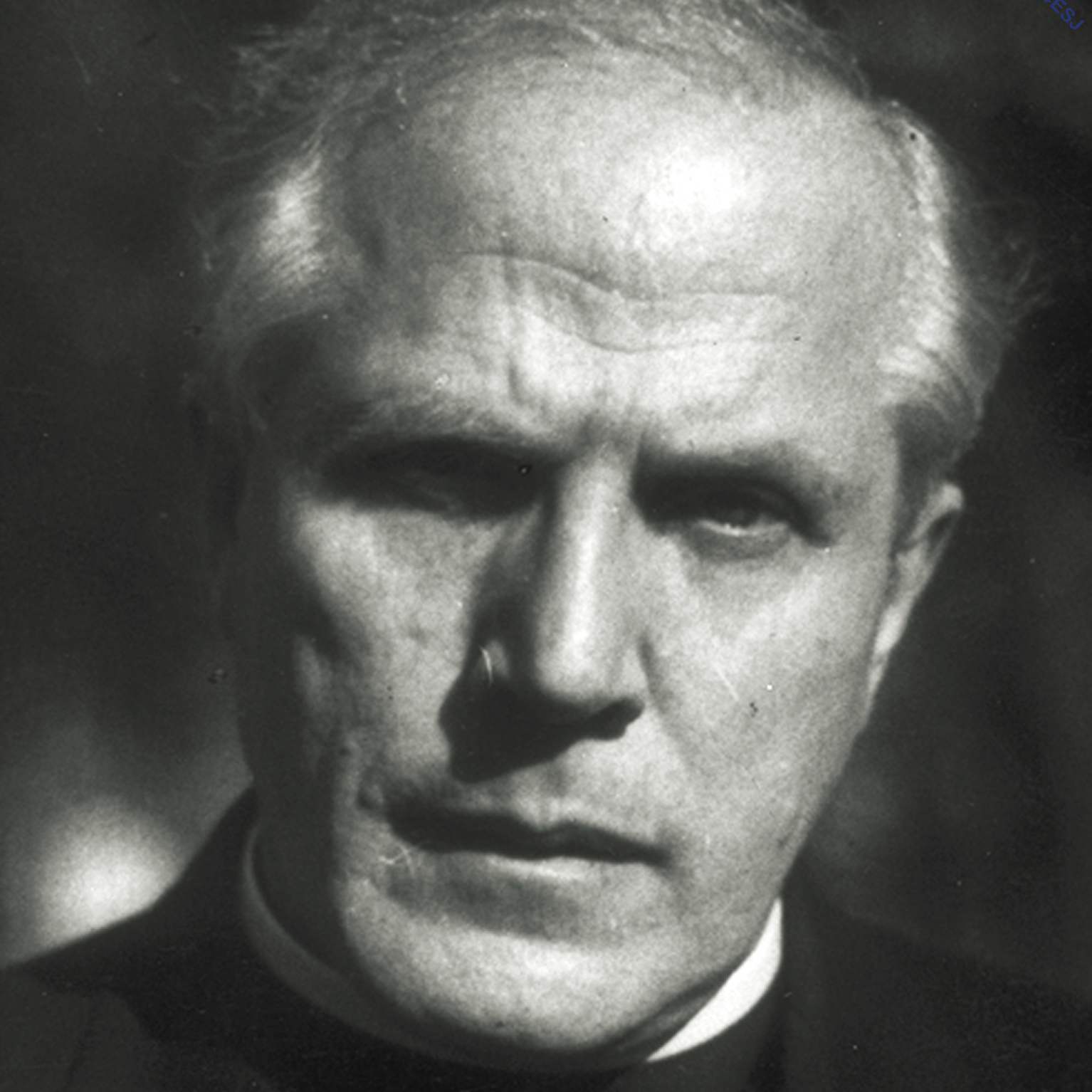
Theodor Steltzer (17 December 1885–27 October 1967), a transport officer stationed in Norway from 1940, was introduced to Helmuth James von Moltke through Otto Heinrich von der Gablentz. He became a close collaborator in the Kreisau Circle, where he was responsible for planning the future structure of government and European unification. Steltzer participated in the first two major Kreisau meetings in 1942 as well as in smaller meetings held in Berlin. Following the failed coup attempt of 20 July 1944, Steltzer was arrested and sentenced to death by the People’s Court on 15 January 1945. However, thanks to the intervention of his Scandinavian contacts, the execution of his sentence was delayed. He was ultimately released from Berlin’s Lehrter Straße Prison on 25 April 1945. After the war, Steltzer became one of the co-founders of the CDU in Berlin and served as Minister President of Schleswig-Holstein from 1945 to 1947. In 1955, he was appointed Executive President of the German Council on Foreign Relations in Bonn and, a year later, President of the UNESCO Commission. Theodor Steltzer passed away on 27 October 1967 in Munich.
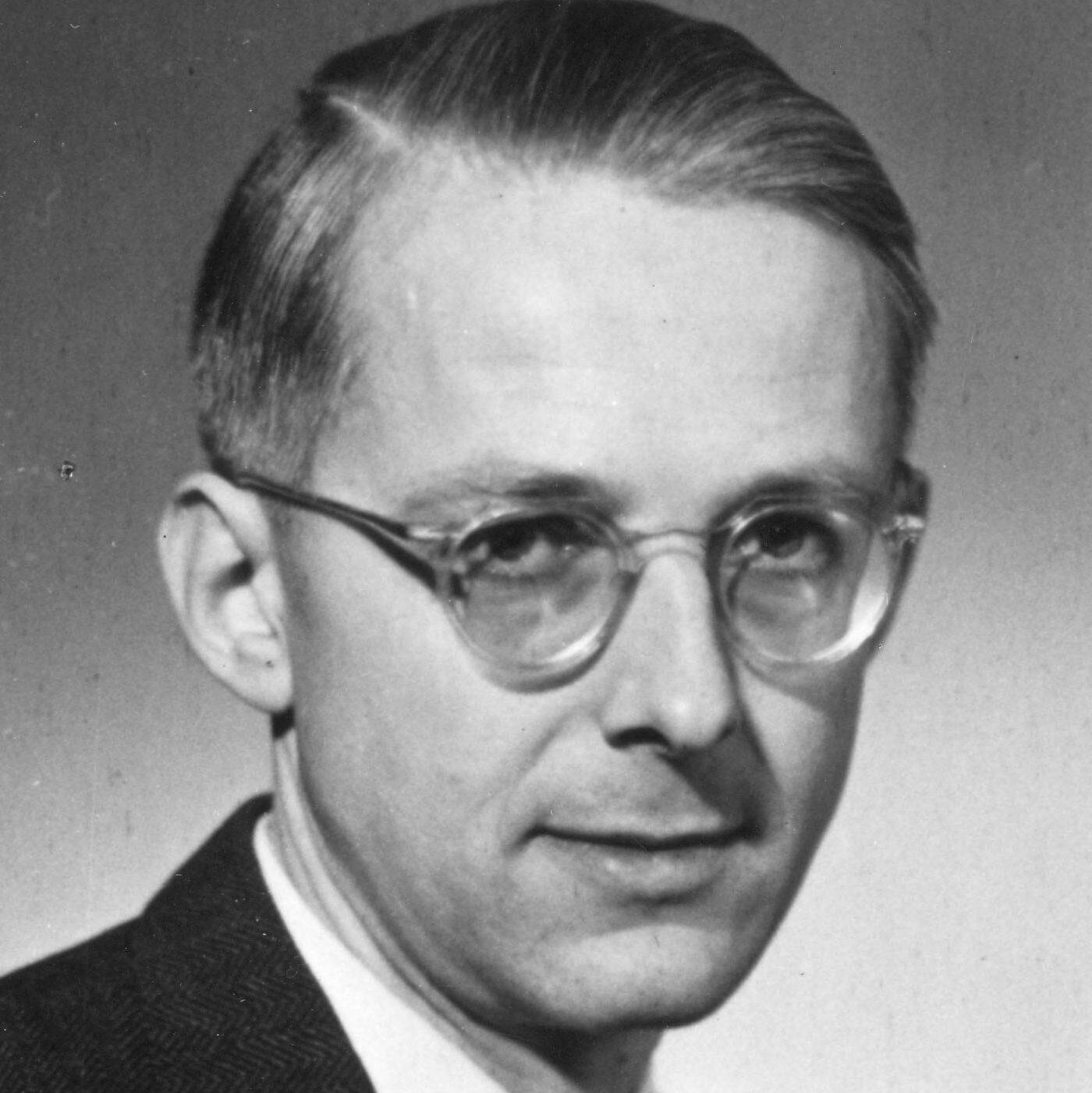
Carl Dietrich von Trotha (25 June 1907, Kreisau – 28 June 1952), a jurist and doctor of economics, was closely connected to Helmuth James von Moltke, his cousin, since childhood. Like Moltke, he studied law in Breslau and was involved in founding the Löwenberg Working Group in 1927, alongside Eugen Rosenstock-Huessy, Helmuth James von Moltke, and Horst von Einsiedel. One of the group’s most important initiatives was the establishment of voluntary labour camps (now known as work camps), which aimed to foster dialogue among people from different social, political, and religious backgrounds. Von Trotha later joined the Reich Ministry of Economics, where, during the war, he led the department responsible for coal and energy supply planning. From 1938, he collaborated with Helmuth James von Moltke and, together with his wife, Margarete von Trotha, significantly contributed to the Kreisau Circle’s discussions on economic policy. Along with Horst von Einsiedel, he authored the memorandum “The Shaping Tasks of the Economy.” Many of the Kreisau Circle’s economic discussions were hosted in the Trothas’ apartment. After the failed 20 July 1944 coup attempt, von Trotha managed to avoid detection and escaped persecution. Following the war, he took on a role in the Berlin Magistrate’s Office, overseeing energy policy, and later moved to the central administration. He co-founded and served as chairman of the Europa-Union Berlin, actively advocating for a united Europe at the Strasbourg assemblies. Until his untimely death in a car accident in the United States in 1952, Carl Dietrich von Trotha taught at the German University of Politics in Berlin.
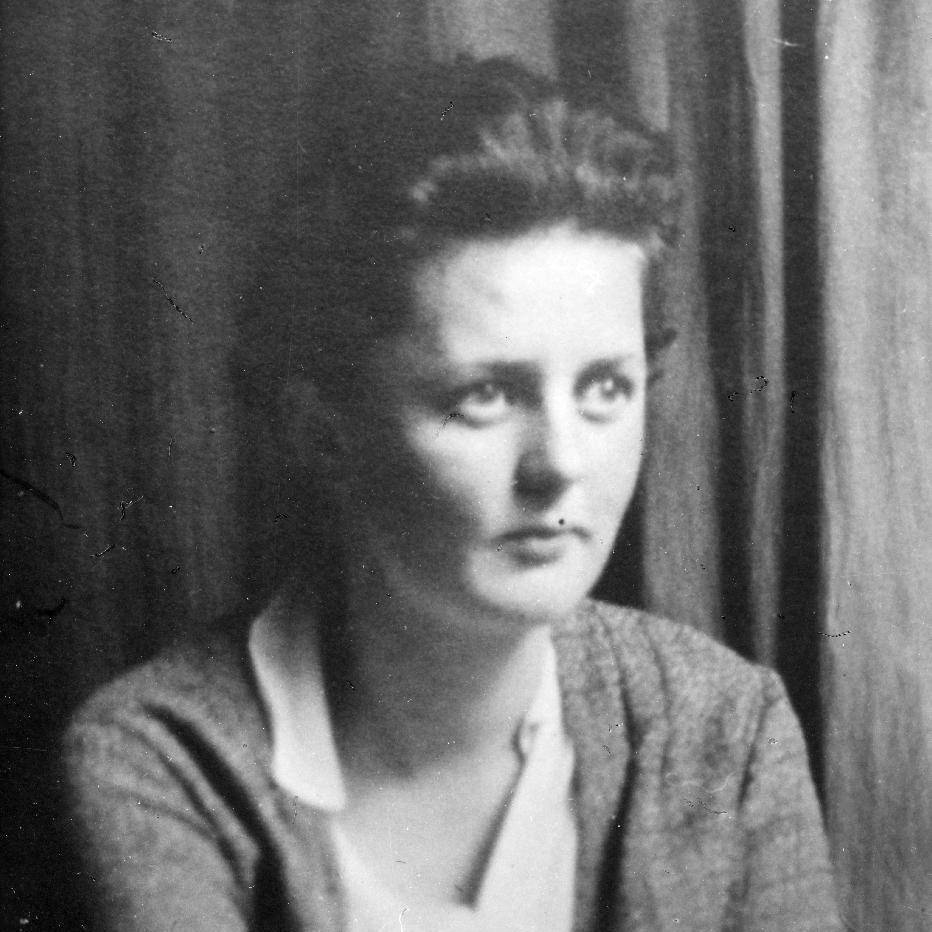
Dr. Margarete von Trotha (12 May 1907–25 July 1995), an economist with a doctorate, participated in several meetings of the Kreisau Circle, actively contributing to discussions and shaping the group’s economic policy memoranda. Together with her husband, Carl Dietrich von Trotha, and their mutual friend, Horst von Einsiedel, she played a significant role in developing the Kreisau Circle’s economic concepts. Many meetings of the working group on economic issues were held at the Trothas’ apartment in Berlin-Lichterfelde. Like her husband, Margarete von Trotha was not arrested following the failed coup attempt of 20 July 1944 and experienced the end of the war in freedom. She passed away on 25 July 1995.
Adam von Trott zu Solz (9 August 1909–26 August 1944), a lawyer, met Helmuth James von Moltke in England in 1937. During the war, he worked in the Foreign Office, which enabled him to establish covert contacts between the Kreisau Circle and the Allies, making him the group’s foreign policy representative. At the Kreisau Circle’s third major meeting in 1943, Trott led discussions on the foundations of post-war foreign policy. His resistance activities extended beyond the Kreisau Circle. He maintained regular connections with the groups surrounding Hans von Dohnanyi and Dietrich Bonhoeffer and collaborated closely with Claus Schenk Graf von Stauffenberg. Trott’s home on Rheinbabenallee in Berlin often served as a secret meeting place for various members of the opposition to the Nazi regime. After the failed assassination attempt on Hitler on 20 July 1944, Trott was arrested on 25 July. On 15 August, the People’s Court sentenced him to death, and he was executed by hanging at Berlin-Plötzensee Prison on 26 August 1944.
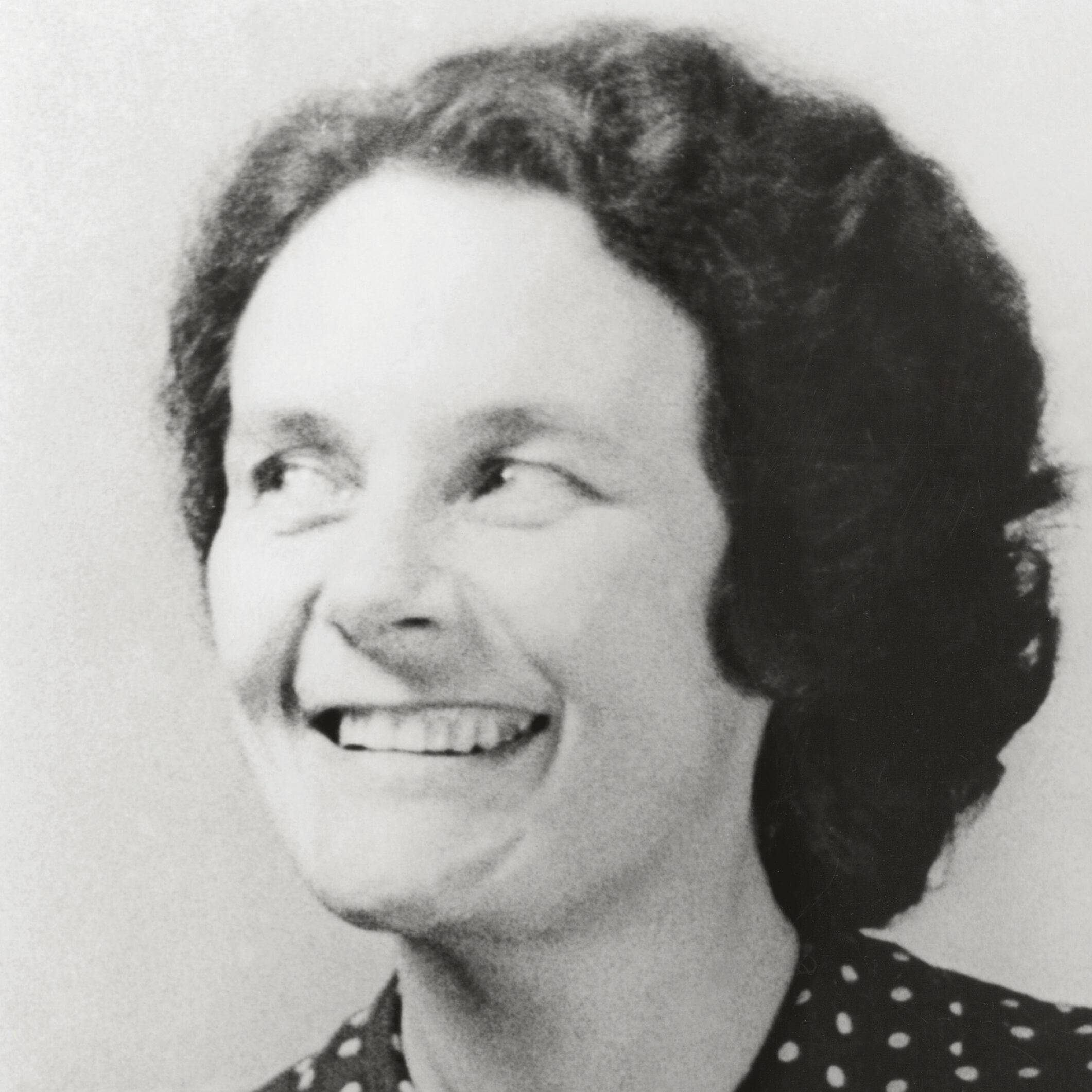
Dr. Marion Gräfin Yorck von Wartenburg (14 June 1904–13 April 2007), a lawyer with a doctorate, supported the opposition activities of her husband, Peter Graf Yorck von Wartenburg. Their home on Hortensienstraße near the Berlin Botanical Garden was one of the most important meeting points for the Kreisau Circle. Marion attended most of the Kreisau Circle’s discussions and delivered messages to Julius Leber at his coal business in Berlin-Schöneberg.
Two days after her husband’s execution, she was arrested and imprisoned for nearly three months. After the war, she worked in Berlin as a judge under the Allied authorities. In 1952, she became Germany’s first female district court director, heading the 9th Criminal Division of the Berlin Regional Court for 17 years. After her retirement in 1969, she lived a private life in Berlin until her death on 13 April 2007. In 1987, Marion Gräfin Yorck von Wartenburg published her memoir, The Strength of Silence, a concise account focusing on resistance to National Socialism.
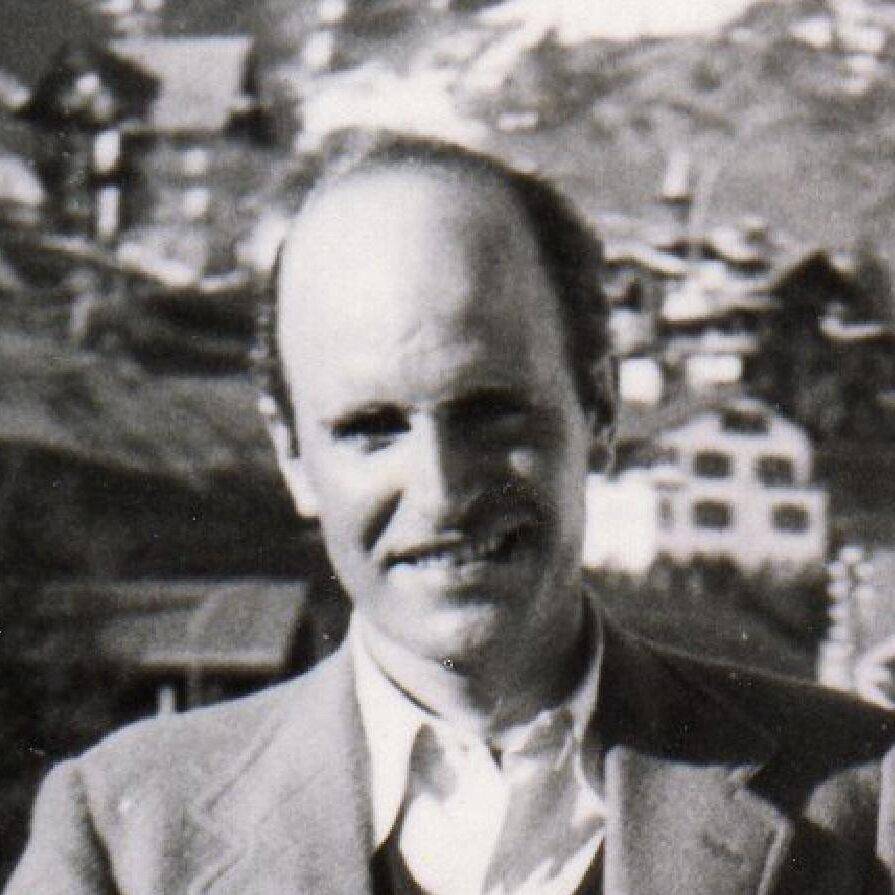
Peter Graf Yorck von Wartenburg (13 November 1904–8 August 1944), a jurist and reserve officer, is regarded, alongside Helmuth James von Moltke, as a co-founder of the Kreisau Circle. At the start of the war in 1939, he was conscripted and, in 1942, assigned to the Economic Staff East at the German Armed Forces High Command in Berlin. As early as January 1940, he began working closely with Helmuth James von Moltke. Together, they initiated and led the Kreisau Circle’s discussions, which often took place in Yorck von Wartenburg’s apartment in Berlin-Lichterfelde. He participated in all three major Kreisau meetings, as well as smaller gatherings on the Yorck family estate in Silesia. Following Helmuth James von Moltke’s arrest in January 1944, Yorck von Wartenburg continued the Circle’s work and formed increasingly close ties with Claus von Stauffenberg and the military resistance. In the event of a successful coup, he was designated to become State Secretary in the Reich Chancellery. On 20 July 1944, he actively participated in the coup attempt at the Bendlerstraße headquarters in Berlin, where he was arrested by the Gestapo. On 8 August 1944, he was sentenced to death by the People’s Court and executed the same day at Berlin-Plötzensee Prison.