
A Kaleidoscope of European History
The village of Kreisau/Krzyżowa is a kaleidoscope of German-Polish and European history. This small village in Lower Silesia became, during the 20th century, a stage for political upheavals and European hope.
In 1942 and 1943, the Kreisau Circle convened here to envision a democratic Germany after the end of National Socialism. In 1989, the German-Polish Reconciliation Mass was celebrated at Kreisau/Krzyżowa. This site also became the birthplace of a civil society initiative aimed at establishing an international meeting and memorial center.
The Kreisau Circle
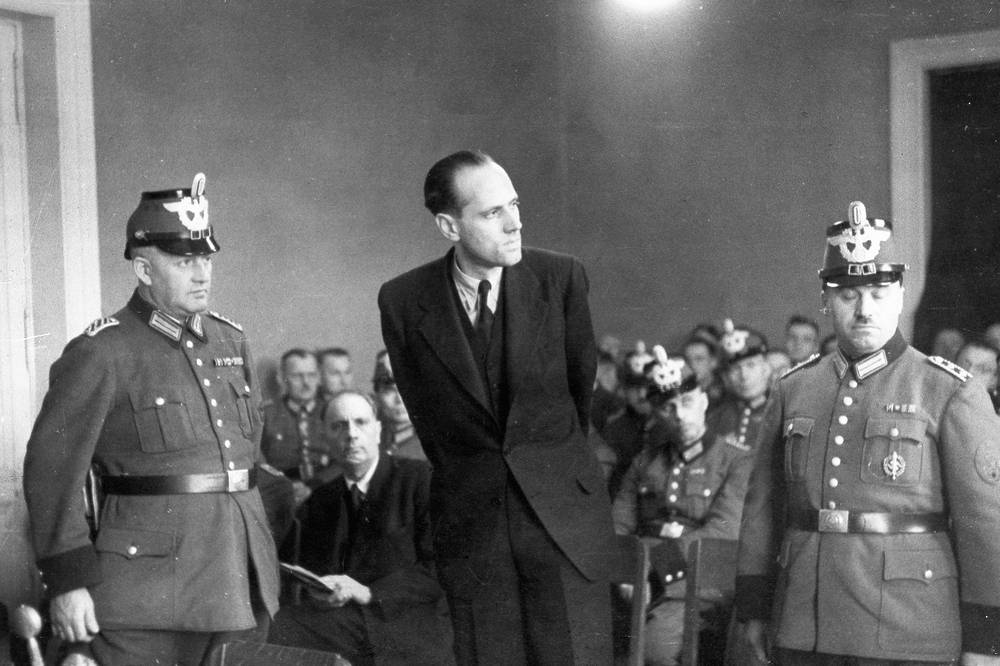
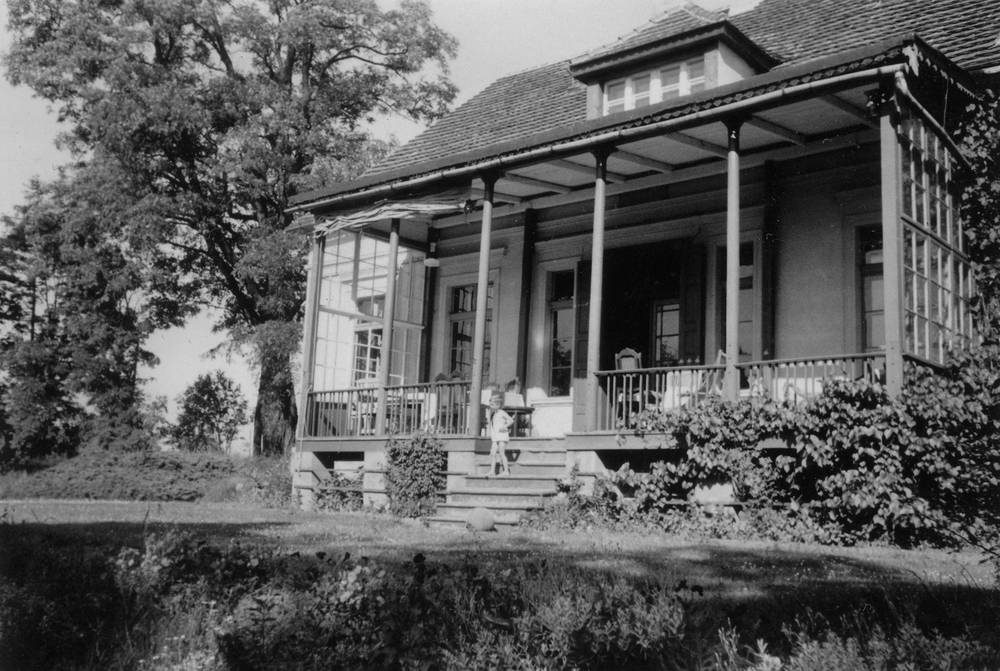
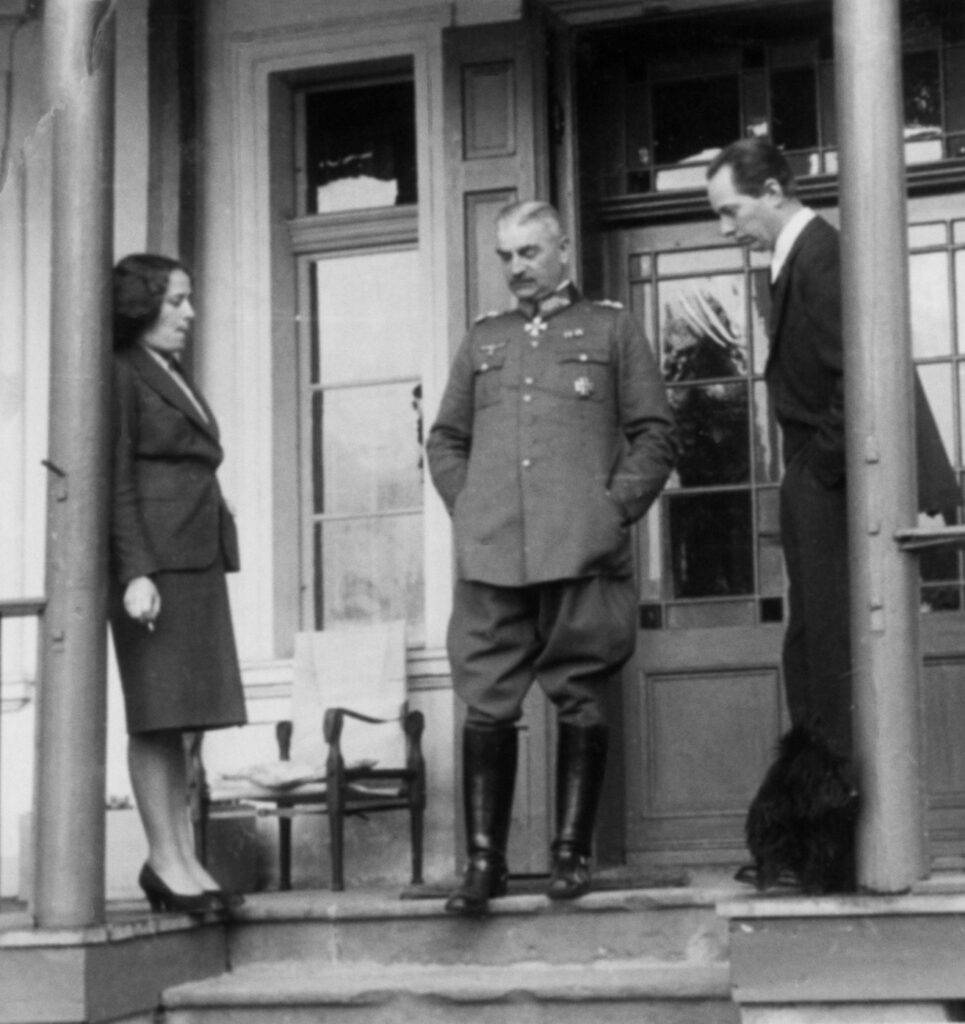
The Kreisau Circle was one of the central groups of civilian resistance to National Socialism. It was formed around Helmuth James von Moltke, a lawyer with a deep commitment to democratic principles and freedoms, and Peter Graf Yorck von Wartenburg. This circle of friends, later known as the Kreisau Circle, brought together individuals from diverse social backgrounds, political beliefs, and religious denominations.
Together, they envisioned plans for the future of Germany within Europe after the defeat of National Socialism.
“The Kreisau Program […] represents a comprehensive vision for the future, whose boldness and internal coherence are unsurpassed by any other political reform concepts of the German resistance against Hitler.”
Hans Mommsen: The Kreisau Circle and the Future Reorganization of Europe and Germany, 1994.
The Kreisau Circle consisted of over 20 active members and numerous sympathizers. It united Social Democrats and Conservatives, trade unionists and landowners, as well as representatives of both major Christian denominations. The group was bound by their shared rejection of National Socialism and their determination to overcome social, political, and religious divides while planning a new order for a democratic Germany within a united Europe.
Learn more about the individual members of the Kreisau Circle.
The members of the Kreisau Circle typically met in smaller groups in private homes or offices. Since only two or three individuals attended these meetings, members often did not know one another. Only Moltke and Yorck maintained contact with all participants and coordinated the work on the Circle’s concepts.
The three major gatherings of the Kreisau Circle took place in 1942 and 1943 at the Moltke family estate. Up to 20 people participated in these meetings, disguised as private celebrations, held in the House on the Hill, the former residence of Freya and Helmuth von Moltke. During these meetings, the plans for the reorganization of Germany were discussed and finalized within a larger group. As such, the House on the Hill in Kreisau became a central hub of civilian resistance against the Nazi regime.
The Kreisau Circle aimed to develop the foundational principles for an intellectual, political, and social reorganisation following the collapse of the Nazi regime. The members discussed the relationship between state and church, questions of education, plans for building a future state, the economic system, and foreign policy. A key focus was the integration of Germany into a European post-war order. They also addressed the punishment of war criminals.
The members of the Kreisau Circle recognised early on “not only the devastation of the cities but also the appalling devastation in the minds and hearts of people” (Helmuth James von Moltke). They believed that a functioning democracy required active participation and sense of responsibility of its citizens. They supported a decentralised state structure with grassroots democratic initiatives. Their vision included a united Europe free from hegemonic ambitions and an economic and social policy that combined personal freedom with social security.
“For us, post-war Europe is less a question of borders and soldiers, of complicated organisations or grand plans. Post-war Europe is the question: how can the image of humanity be restored in the hearts of our fellow citizens? This is a question of religion, of education, of the connections to work and family, and of the proper balance between responsibility and rights.”
Helmuth James von Moltke, in a letter to Lionel Curtis on 18 April 1942
After the failed assassination attempt on Hitler on 20 July 1944, numerous members of the Kreisau Circle were arrested. Several months earlier, Helmuth James von Moltke had already been detained by the Gestapo for warning a friend, Otto Kiep, about his impending arrest. By January 1945, eight members of the Kreisau Circle had been executed at Plötzensee Prison. These included Helmuth James von Moltke, Peter Graf Yorck von Wartenburg, Adam von Trott zu Solz, Hans Bernd von Haeften, Adolf Reichwein, Julius Leber, Theodor Haubach, and Father Alfred Delp SJ.
Helmuth James von Moltke’s involvement in the assassination plot could not be proven. He was sentenced to death solely for his ideas about Germany’s future after Hitler’s overthrow. “We are being hanged because we thought together,” Moltke wrote to his wife Freya in one of his final letters from prison, dated 10 January 1945.
German-Polish Reconciliation Mass
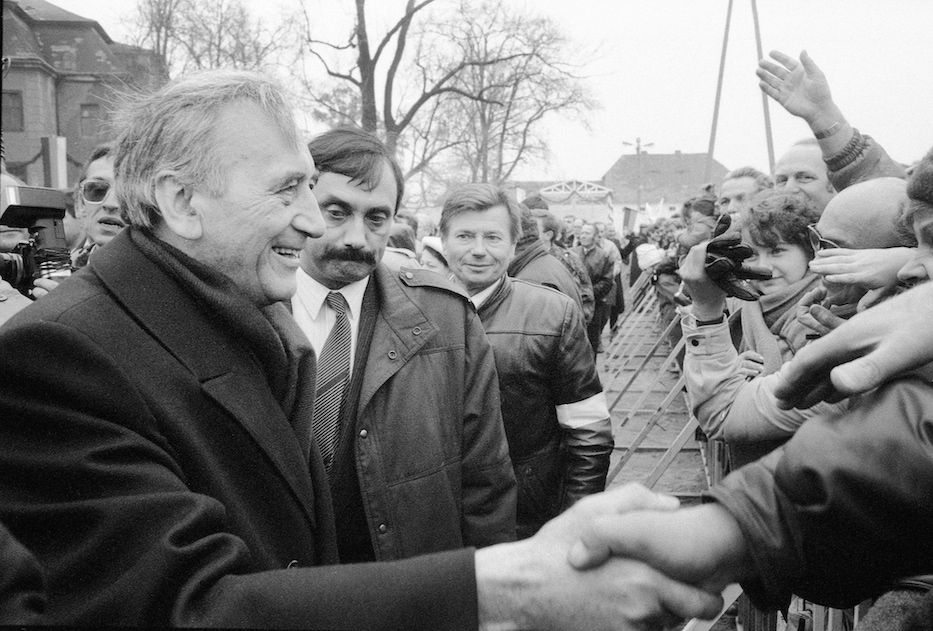
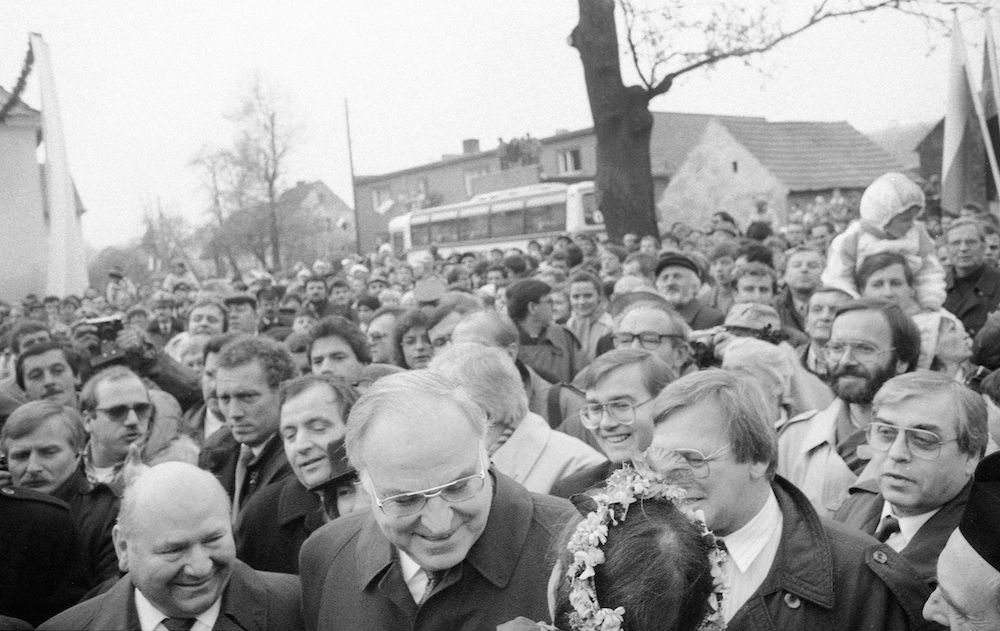
The relationship between the Federal Republic of Germany and Poland was marked by tensions and conflicts after 1945. The experiences of war, occupation, and expulsions strained German-Polish relations. The lack of recognition of the Oder-Neisse line further complicated any rapprochement.
On 15 October 1965, the Council of the Evangelical Church in Germany (EKD) published the so-called Ostdenkschrift (Eastern Memorandum) of the EKD. In this document, German believers acknowledged their nation’s guilt for the suffering of the displaced persons and the hardships inflicted on Poland during the Second World War. The memorandum urged Germans to question their territorial claims to areas beyond the Oder-Neisse border in favour of reconciliation and understanding.
This was followed by a letter from the Polish bishops on 18 November 1965, addressed to their counterparts in the GDR and the FRG, which contained the now-famous sentence: “[We] grant forgiveness and ask for forgiveness.” In their letter, the bishops wrote about Poland’s belonging to Latin Christianity as well as the traumatic experiences of the German occupation in Poland and implicitly appealed for the recognition of the Oder-Neisse border. The German bishops responded on December 5 of the same year with an admission of the wrongs committed by Germans against Poles during the war. This exchange of letters marked the first milestone on the path to German-Polish reconciliation.
In June 1989, Polish society secured its first partially free elections, leading to the election of opposition politician Tadeusz Mazowiecki as Prime Minister. On 9 November of the same year, the Berlin Wall fell, marking a historic turning point. Amid this period of upheaval, an official visit by German Chancellor Helmut Kohl to Poland was planned, with the goal of improving German-Polish relations. A jointly celebrated Holy Mass was intended to be a significant highlight of this visit.
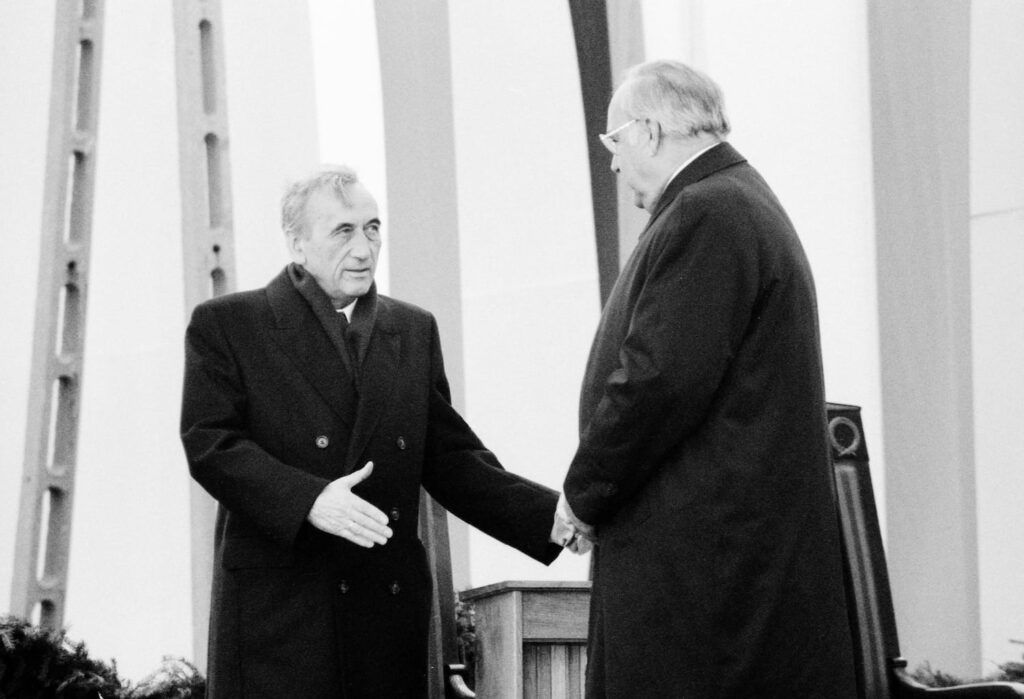
On 12 November 1989, the Holy Mass was celebrated in Krzyżowa, attended by Poland’s first non-communist Prime Minister, Tadeusz Mazowiecki, and the Chancellor of the Federal Republic of Germany, Helmut Kohl. Nearly 7,000 people gathered to celebrate the mass with the two heads of state. Krzyżowa was chosen as the venue due to its historical significance as the meeting place of the Kreisau Circle, which was viewed by the Polish side as a symbol of the desired new Germany aligned with European ideals. Moreover, civil society groups from Poland and both German states had been working for years toward German-Polish rapprochement, pursuing the idea of making Kreisau/Krzyżowa a place of dialogue and encounter.
The Bishop of Opole, Alfons Nossol, who officiated the Holy Mass, explicitly called for reconciliation and forgiveness. When the two leaders exchanged the sign of peace and embraced, it became a powerful symbol of reconciliation between the Federal Republic of Germany and Poland, marking the beginning of a new chapter.
This Holy Mass, celebrated by both heads of state, was groundbreaking given the tense political relations between Poland and the Federal Republic of Germany. The event laid the foundation for strengthening bilateral relations and marked the beginning of a new chapter in the history of Kreisau/Krzyżowa.
The New Kreisau
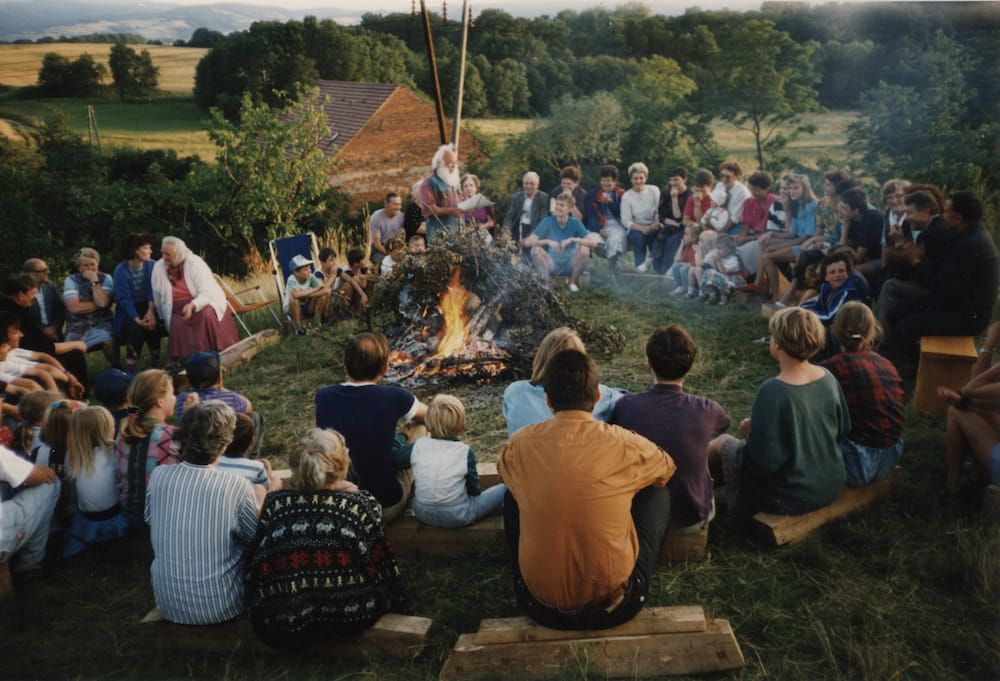
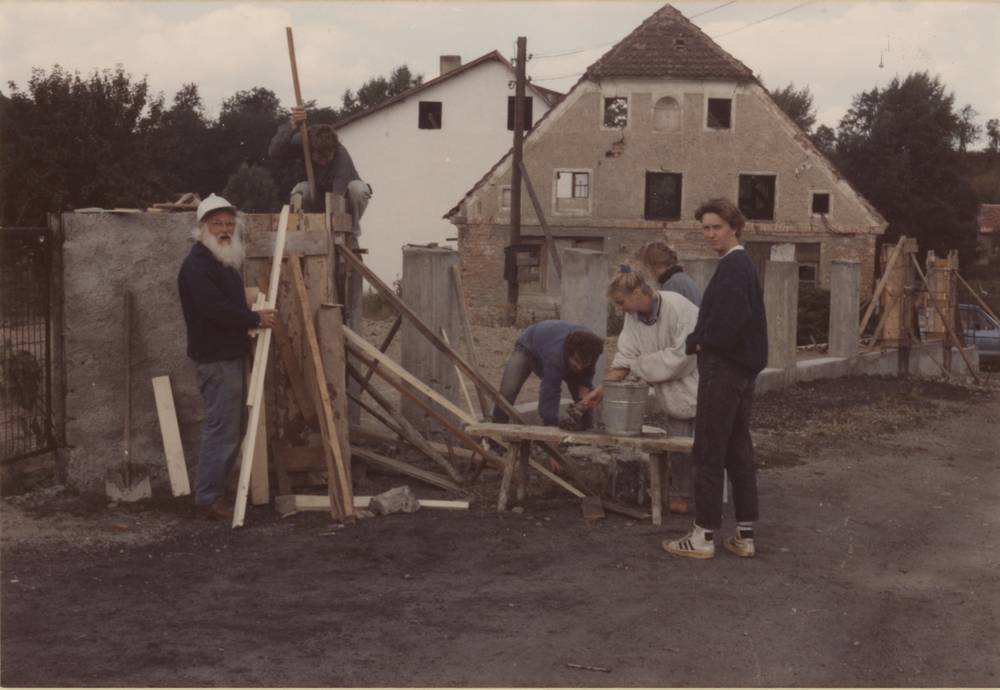
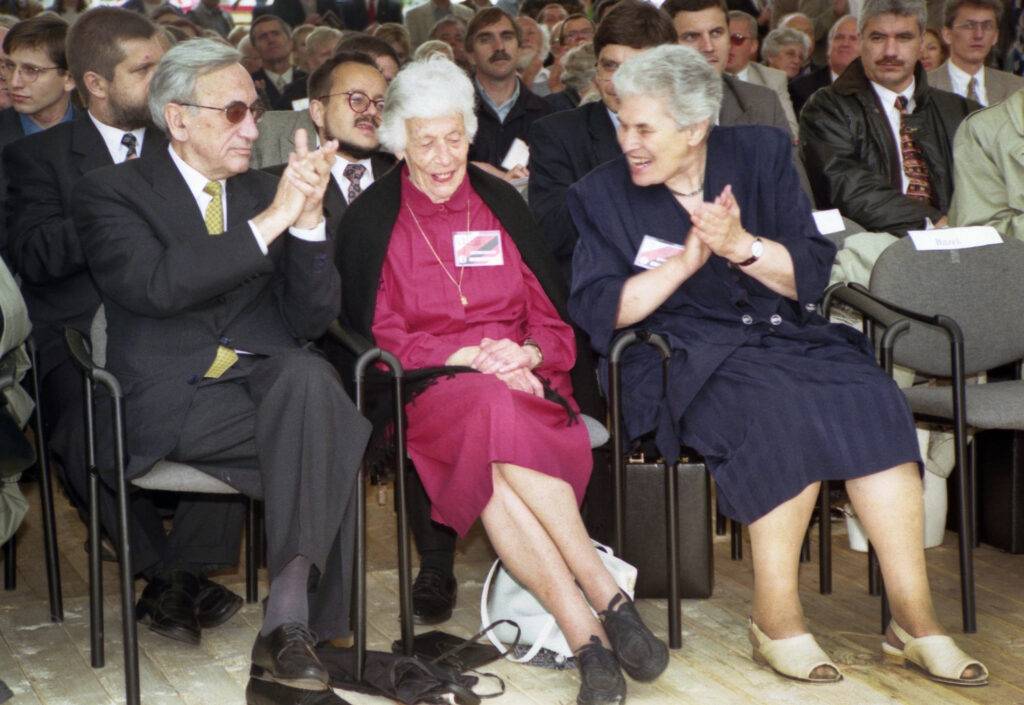
“Indeed, I still have future plans for Kreisau. I always think that one day, Kreisau will become a house for fostering German-Polish understanding.“
Freya von Moltke, 1967, in a letter to historian Ger van Roon
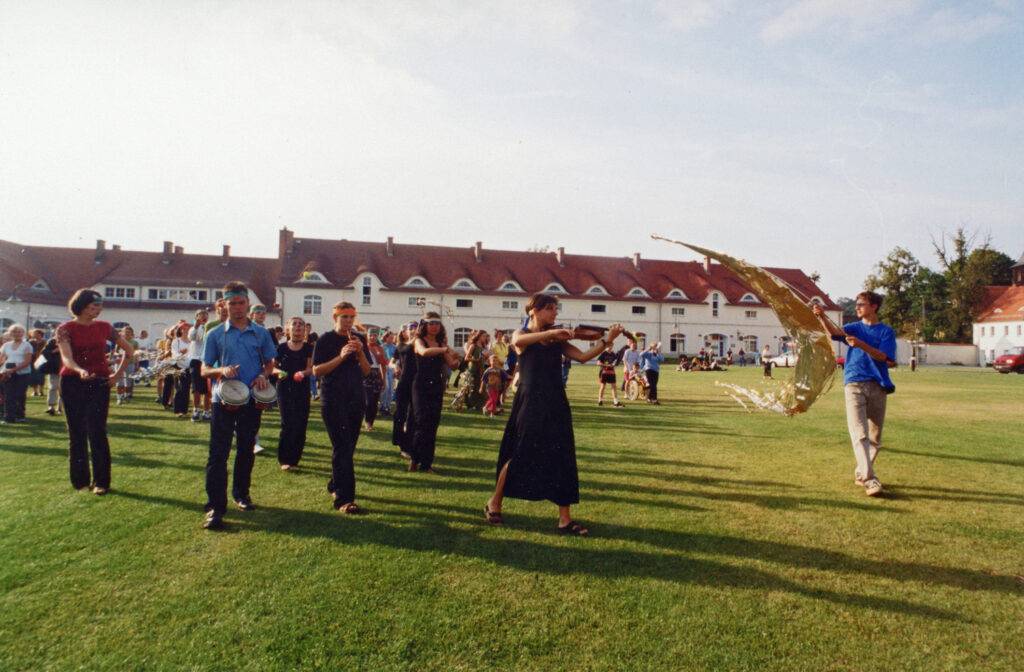
Almost 20 years later, these plans became reality, and in the summer of 1990, the Polish Krzyżowa Foundation for Mutual Understanding in Europe was founded.
After the end of the Second World War, Kreisau became the Polish Krzyżowa, and the estate was converted into a state-owned enterprise. The buildings were used for agricultural purposes and fell into increasing disrepair over the years. However, the idea of Kreisau as a place where German-Polish and intercultural dialogue could flourish remained alive.
Many people saw the men and women of the Kreisau Circle as role models for fostering tolerance and openness in their interactions. They supported the vision of a Europe built on collaborative efforts by its citizens. Towards the end of the 1980s, these individuals—coming from Poland, the Netherlands, the two German states, and the United States—began to connect more frequently during conferences and private gatherings. This led to the creation of a network of supporters for Kreisau/Krzyżowa.
By the late 1980s, a cross-border, civil society movement quickly formed, paving the way for the New Kreisau. On the Polish side, the Club of Catholic Intelligentsia in Wrocław played a pivotal role in driving efforts for Krzyżowa/Kreisau. Meanwhile, various initiatives arose in both West and East Germany. A particularly significant contribution came from the Kreisau Initiative e.V., an organisation founded in the summer of 1989, prior to the fall of the Berlin Wall, by citizens from East and West Berlin. Its mission was to support the establishment of a European meeting place and to raise public awareness for the site.
On 4 June 1989, the New Kreisau supporters presented their proposal in letters to the Ministry of Foreign Affairs of the People’s Republic of Poland and the German Federal Chancellery. The aim was to establish an international meeting and memorial site in Kreisau/Krzyżowa. The Reconciliation Mass brought the vision of the New Kreisau the necessary political attention.
In the summer of 1990, the Krzyżowa Foundation for Mutual Understanding in Europe was established as a Polish non-governmental organisation. Kreisau/Krzyżowa was envisioned as a place for international youth exchanges, German-Polish reconciliation, a memorial to resistance against all forms of totalitarianism, an ecological farm, and a centre for education and training.
In 2004, the Freya von Moltke Foundation for the New Kreisau was founded as a charitable community foundation with approximately 140 donors from Germany, Poland, the Netherlands, Switzerland, and the United States. The foundation is dedicated to promoting and ensuring the long-term sustainability of the international youth meeting and memorial centre in Kreisau/Krzyżowa.
Today, three organisations collectively uphold the legacy of Kreisau: the Kreisau Foundation for Mutual Understanding in Europe in Krzyżowa, the Kreisau Initiative e.V., and the Freya von Moltke Foundation for the New Kreisau in Berlin.