
Freya von Moltke
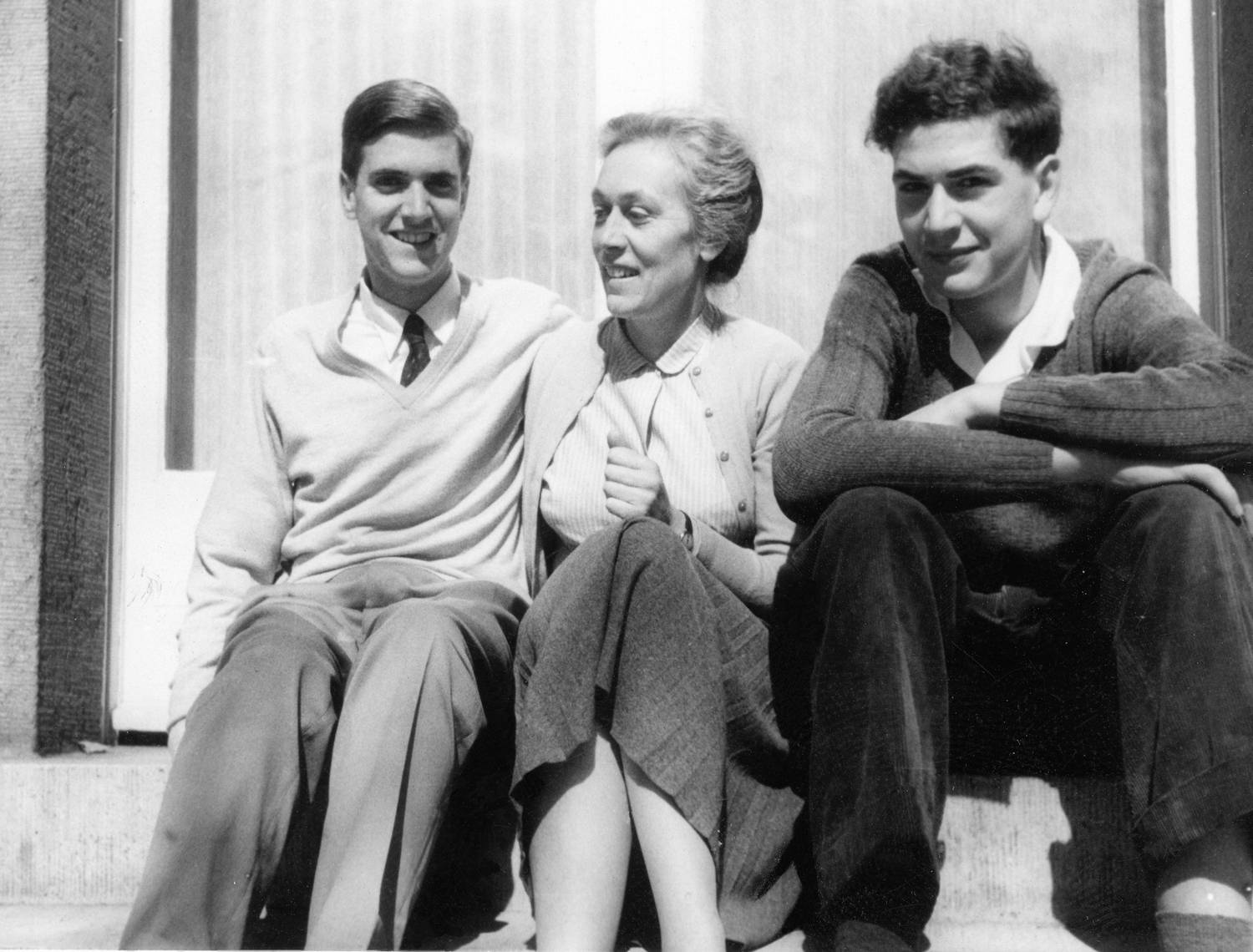
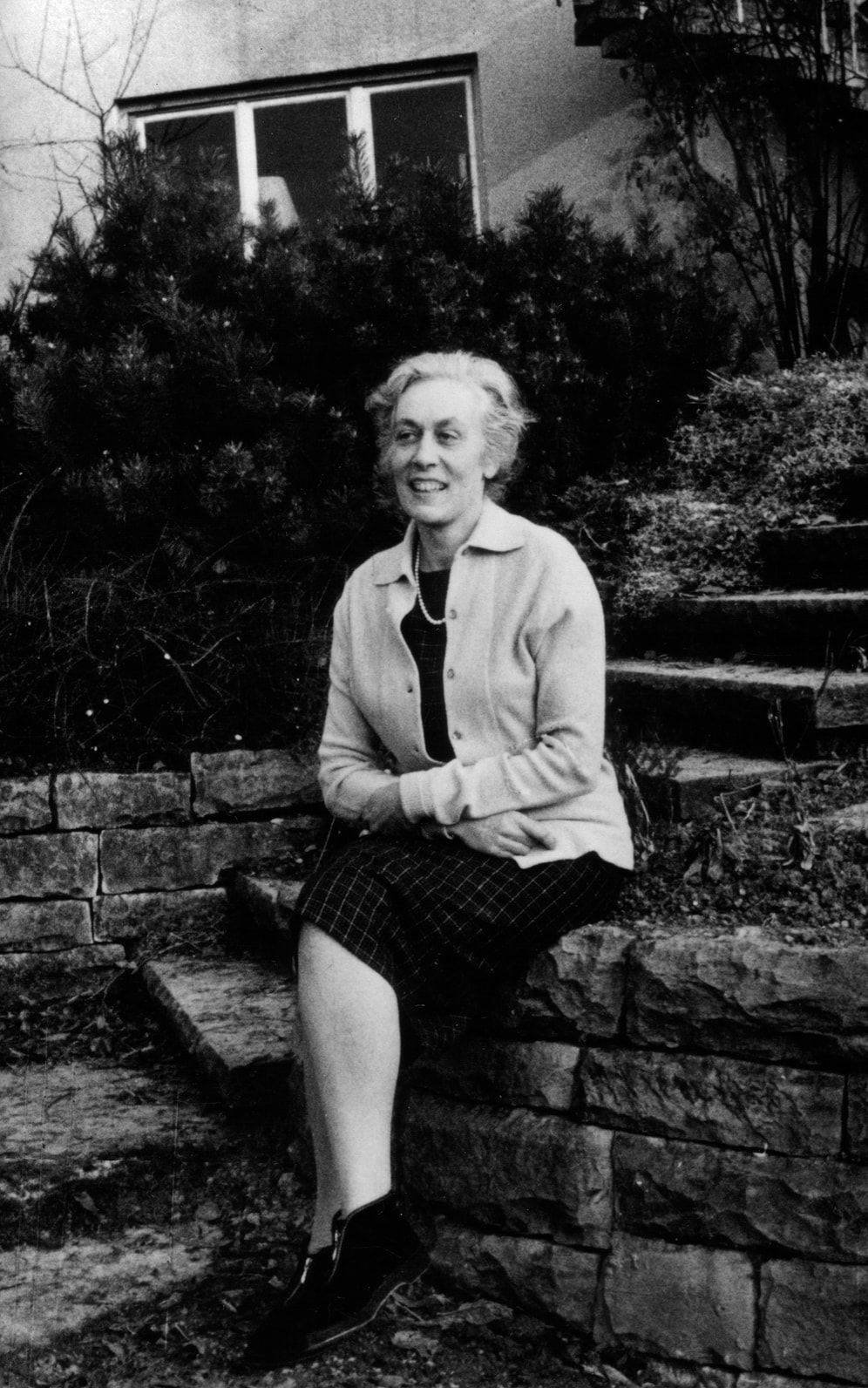
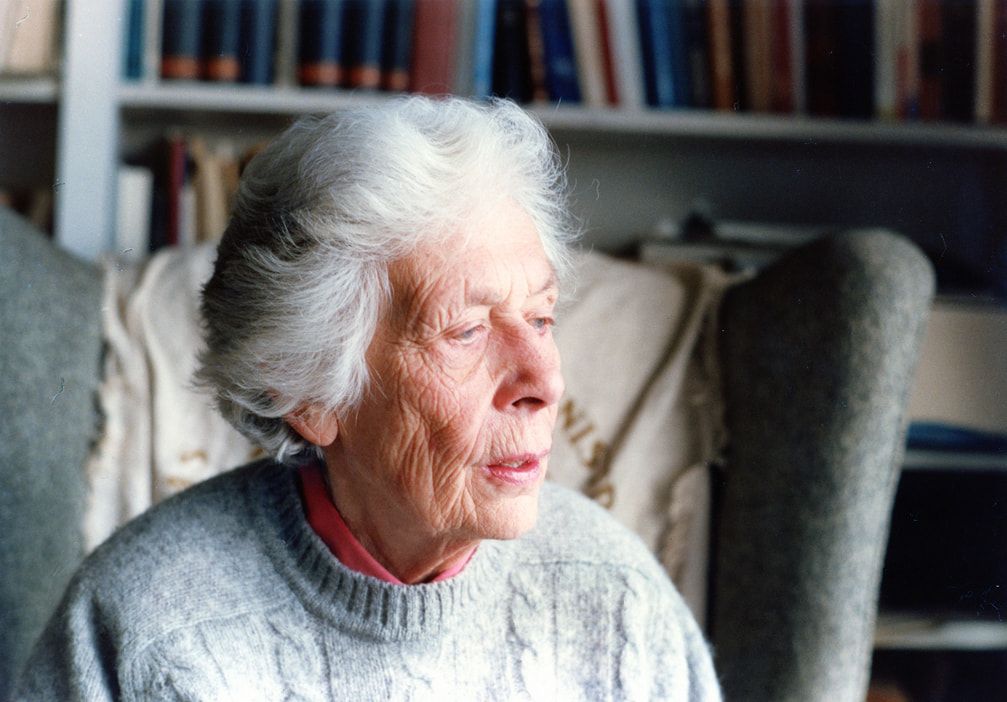
Freya von Moltke – the namesake of our foundation – is one of the most outstanding female figures of the 20th century. Her story speaks of reconciliation among European neighbors, courage in reaching out to one another, and the hope of building a shared future.
A Lawyer from Cologne
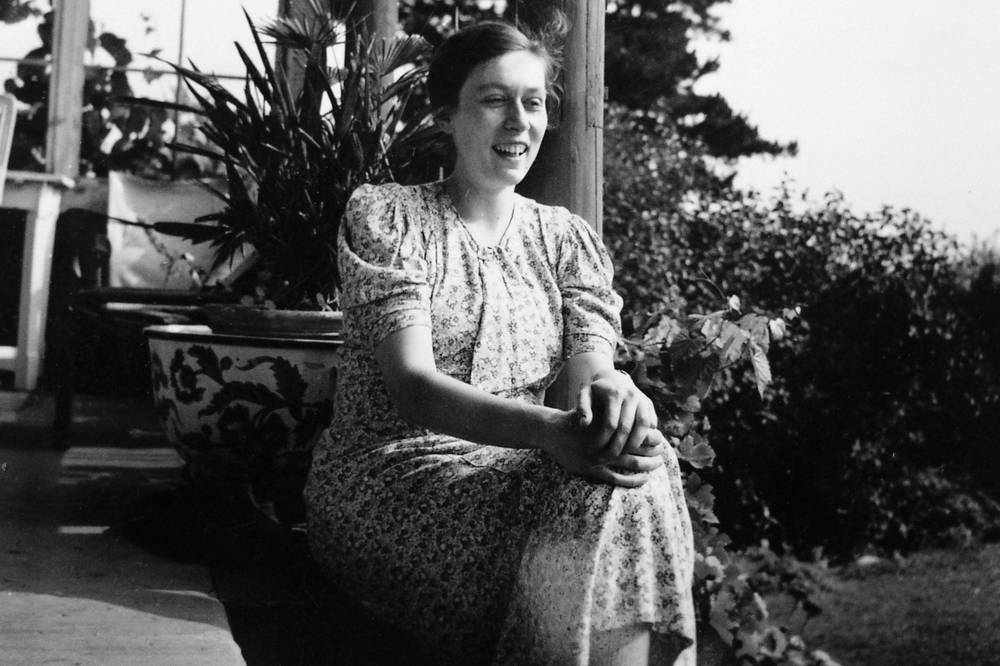
Freya von Moltke, born in 1911, grew up in Cologne as the daughter of banker Carl Theodor Deichmann and his wife Ada. After completing secondary school, she first attended an agricultural school for women before later obtaining her high school diploma. She then studied law at the University of Cologne and earned her doctorate from the University of Berlin (now Humboldt University) in 1935. In 1929, she met Helmuth James von Moltke at Lake Grundlsee in Austria.
Her Relationship with Kreisau
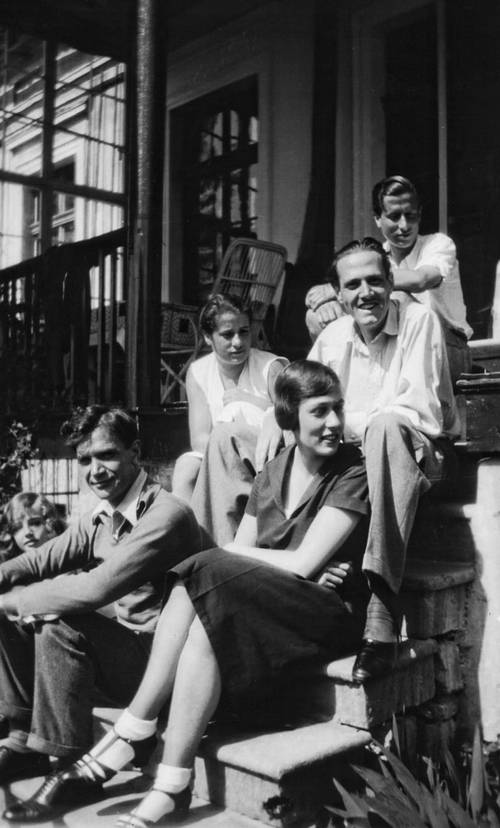
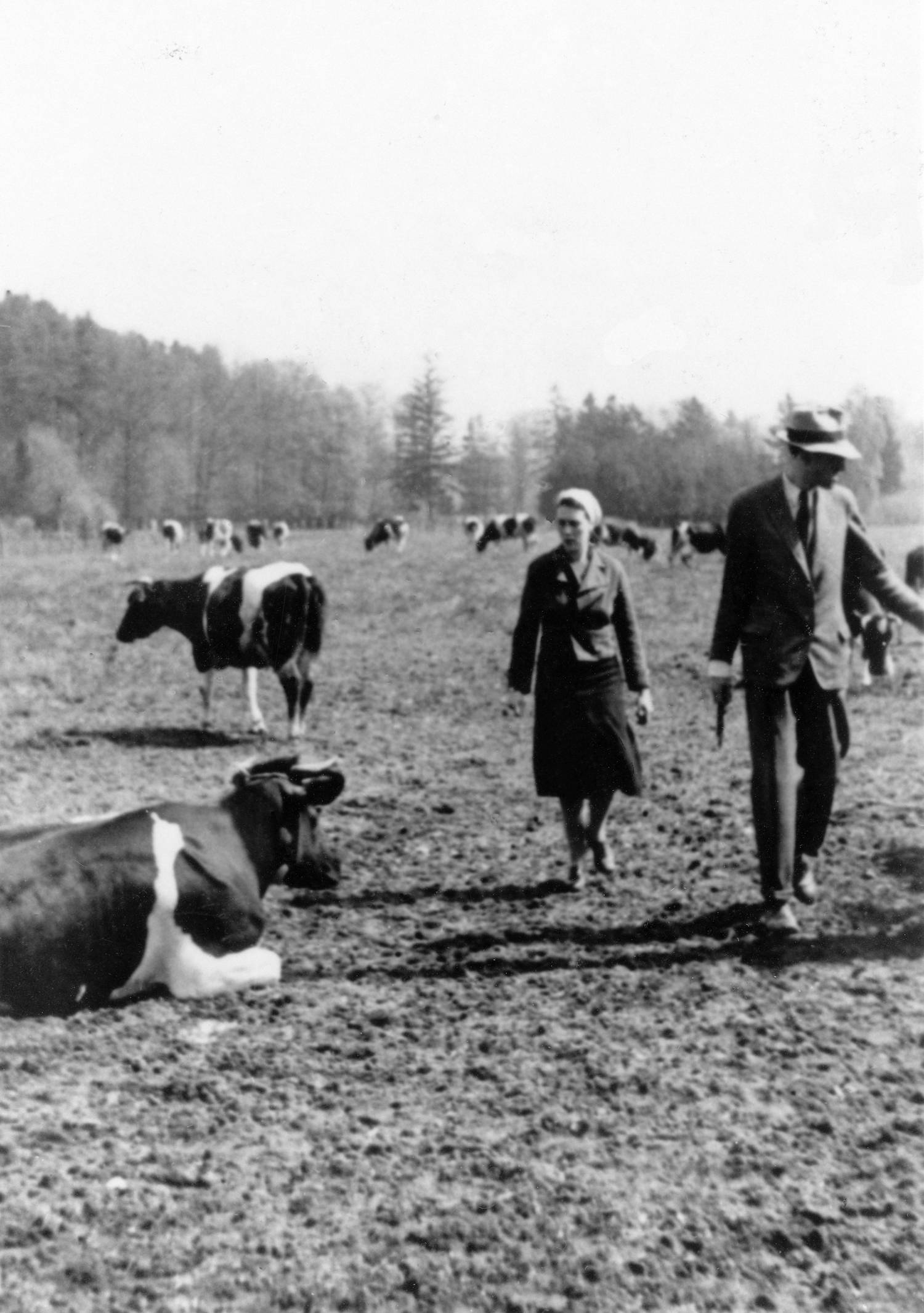
Freya von Moltke’s lifelong connection to Kreisau was sparked in 1930 during her first visit there. A year later, she and Helmuth married in Cologne. After the death of her mother-in-law, Dorothy von Moltke, in 1935, Freya accepted responsibility for managing the large Kreisau estate. During the Nazi regime, the estate became a refuge for friends who had been bombed out of their homes or persecuted. Under Freya’s supervision and care, Kreisau became a central meeting point for resistance activities against the Nazis.
Freya’s Resistance against National Socialism
Helmuth James von Moltke and Peter Graf Yorck von Wartenburg established a resistance group early on, uniting people from diverse social, political, and religious backgrounds in opposition to the Nazi dictatorship. Later known as the Kreisauer Kreis (Kreisau Circle), this group developed plans during three meetings held in Kreisau in 1942 and 1943 for rebuilding a democratic Germany deeply rooted within Europe after the end of National Socialism.
Freya’s husband, Helmuth James von Moltke, along with seven other members of the Kreisauer Kreis, was sentenced to death by the Nazi judiciary for his role in the resistance and was executed in Berlin-Plötzensee. Freya von Moltke, herself a member of the Kreisauer Kreis, supported her husband during their resistance activities and his imprisonment. Their correspondence is an invaluable testament to their resistance against the Nazi regime.
After the War
After the end of World War II, the loss of her husband, and the loss of her home in Kreisau, Freya von Moltke left Germany and moved to South Africa with her children, where she worked as a social worker. In 1956, she decided to return to Germany and, four years later, relocated to the United States. She dedicated her life’s work to keeping the memory of the German resistance alive and repeatedly emphasized the significance of the resistance for post-war Germany.
By supporting and advising numerous publications about the Kreisauer Kreis, publishing her husband’s letters, and writing her book ‘Memories of Kreisau’, Freya von Moltke kept the legacy of the Kreisau resistance alive. She passed away in Vermont on January 1, 2010.
A strong advocate of the Kreisau Project
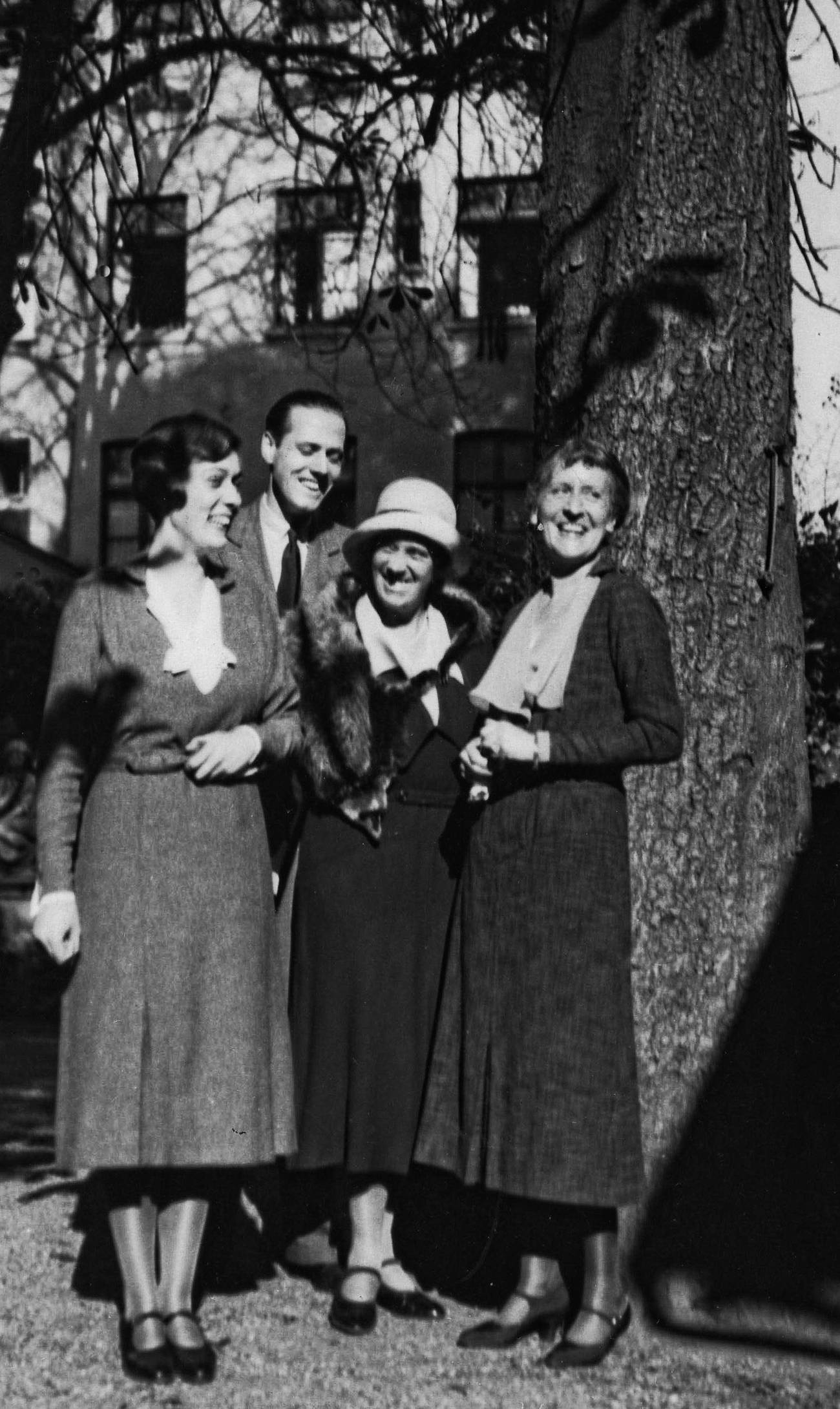
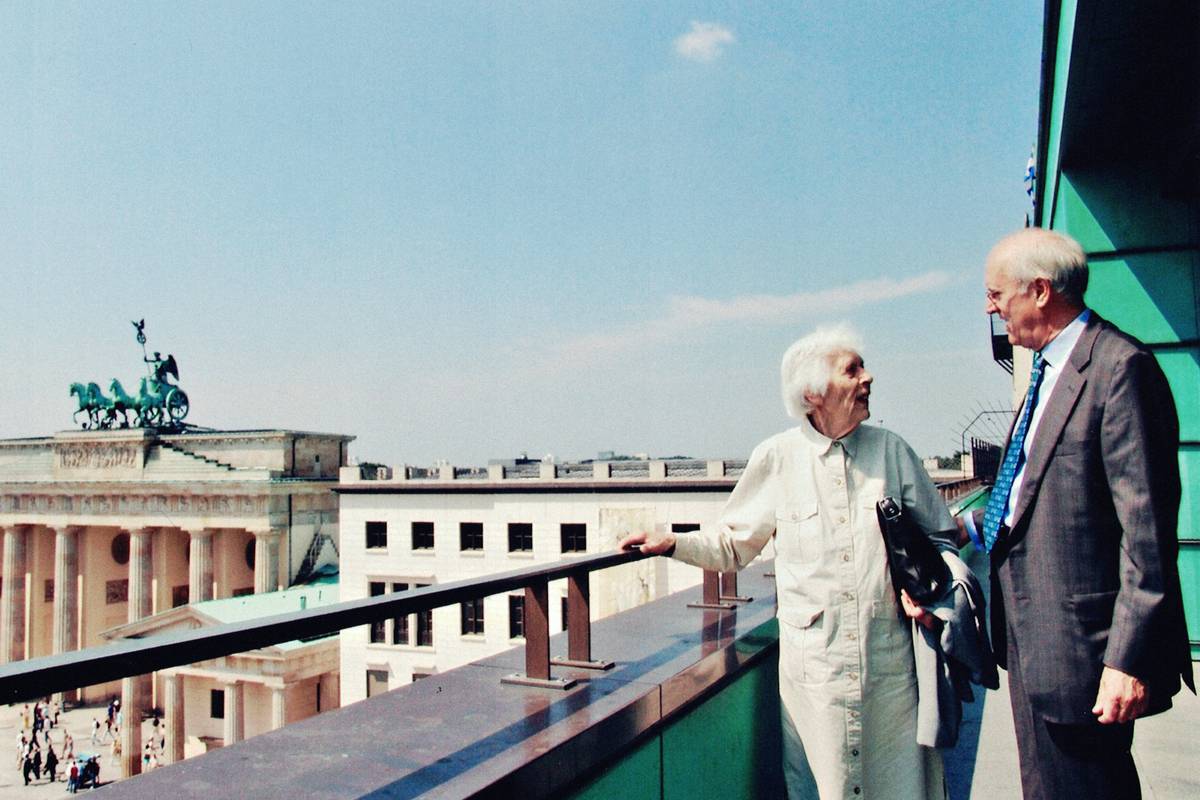
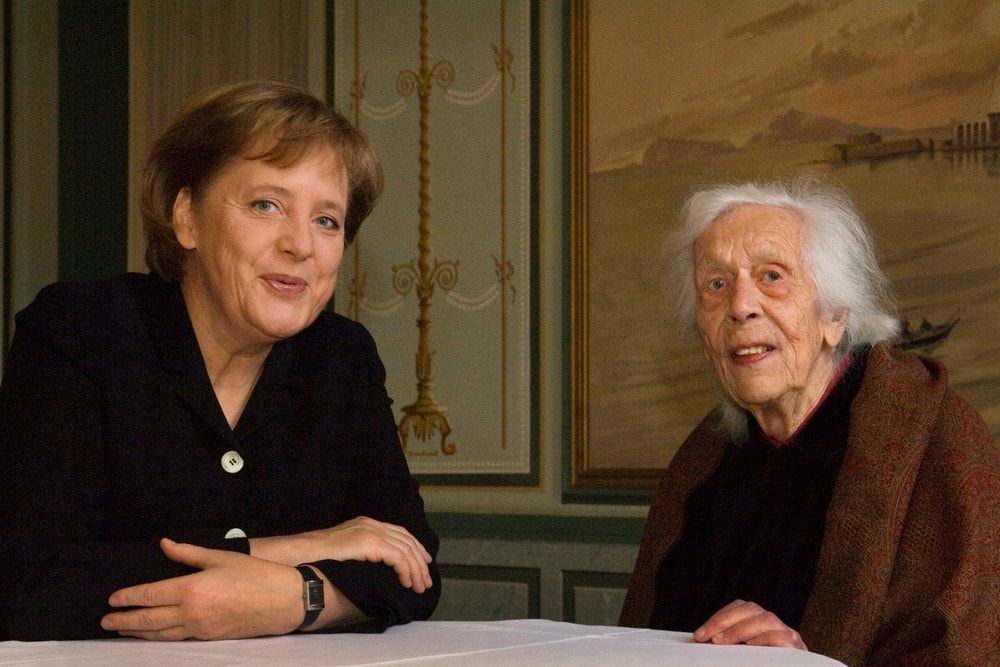
Freya von Moltke was a determined advocate of the New Kreisau. The vision of an International Youth Meeting Centre in Kreisau/Krzyżowa began to take shape in the summer of 1989, against the backdrop of political changes in Poland and the GDR and the end of the Cold War. Thanks to the commitment of many people from different countries, the idea of Kreisau as a place for European encounters could be realized, and in 1990 the Polish Kreisau Foundation for European Understanding was established.
Namesake of Our Foundation
When our foundation was set up in Germany in 2004 to secure the existence of the meeting place in Kreisau/Krzyżowa, Poland, Freya von Moltke supported the project and agreed to name it the Freya von Moltke Foundation. She made one condition: A foundation bearing her name should include the addition “for the New Kreisau”. After all, it was this forward-looking place of encounter whose support was close to her heart. Her son Helmuth Caspar von Moltke is now keeping the legacy of his mother’s commitment to democracy, dialog and tolerance alive as Chairman of the Foundation Board .